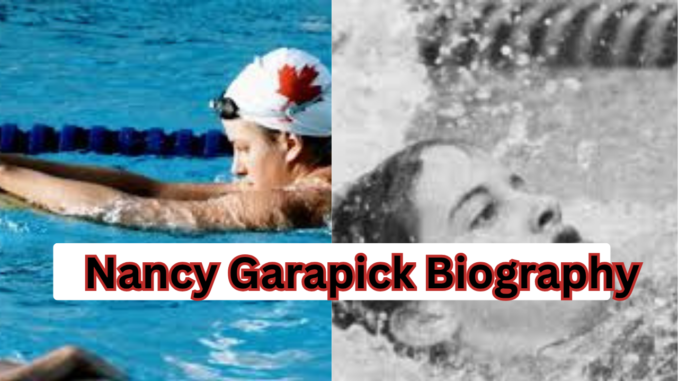
Biography
Nancy Garapick, born Nancy Ellen Garapick on September 24, 1961, in Halifax, Nova Scotia, Canada, was one of the most remarkable young talents in the history of competitive swimming. Known for her strength, discipline, and calm determination in the pool, she rose to international fame at an age when most athletes are still learning the basics of their sport.
Advertisements
Growing up in Halifax, Nancy was introduced to swimming early in life. Like many Canadian children, she started swimming for recreation, but it quickly became clear that she possessed unusual talent. Her natural ability in the water, combined with a strong work ethic, helped her stand out among her peers. She trained rigorously and joined the Halifax Trojan Aquatic Club, where she was coached by experienced professionals who recognized her potential.
Her childhood was shaped by early mornings, long hours in the pool, and a relentless pursuit of excellence. While other teenagers focused on school and social life, Nancy balanced her education with intense training sessions. This discipline paid off when she began breaking records at a very young age.
By the age of 13, she had already made history by setting a world record in the 200-metre backstroke at the Eastern Canadian Swimming Championships in Brantford, Ontario. This achievement signaled the arrival of a new star in international swimming. Her journey from a young swimmer in Halifax to a world-record holder is a story of dedication, resilience, and natural talent.
Career
Nancy Garapick’s career is best remembered for her extraordinary achievements at a very young age. She gained global attention during the 1976 Summer Olympics, held in Montreal, Canada. At just 14 years old, she competed against some of the best swimmers in the world and delivered performances that would define her legacy.
She won two bronze medals in the 100-metre backstroke and the 200-metre backstroke events. These achievements were remarkable not only because of her age but also because of the level of competition she faced. The swimmers who finished ahead of her were later linked to the East German doping program, which cast a different light on the results. Despite this, Nancy’s accomplishments remain a source of pride and inspiration.
During the Olympic heats, she set a new Olympic record in the 100-metre backstroke, further proving her exceptional ability. Her performance demonstrated not only physical strength but also mental toughness. Competing on such a large stage at a young age requires confidence and composure, both of which she displayed in abundance.
Before her Olympic success, Nancy had already made history in 1975 by setting a world record in the 200-metre backstroke. This achievement made her one of the youngest world record holders in swimming history. Her time of 2:16.33 stood as a testament to her skill and dedication.
Throughout her career, she competed in multiple swimming styles, including backstroke and butterfly. Her versatility allowed her to excel in different events, making her a well-rounded athlete. She also represented Canada in international competitions, including the Pan American Games, where she continued to perform at a high level.
Her contributions to Canadian sports were recognized years later when she was inducted into Canada’s Sports Hall of Fame in 2008. This honor celebrated her achievements and her impact on swimming in Canada. In 2018, she was also named one of the greatest athletes in the history of Nova Scotia, further solidifying her legacy.
Nancy Garapick’s career may have been relatively short compared to some athletes, but her impact was lasting. She showed that age is not a barrier to greatness and inspired a generation of swimmers to aim higher.
Personal Life
Nancy Garapick was known not only for her achievements in the pool but also for her quiet and grounded personality. She did not seek the spotlight outside of her sporting success and preferred to live a private life.
Her early success brought her fame, but she handled it with maturity beyond her years. Balancing school, training, and international competition was not easy, yet she managed it with grace. Her focus remained on improving her performance and representing her country with pride.
After her competitive swimming career, Nancy stepped away from the public eye. Unlike many athletes who transition into media or coaching roles, she chose a more private path. This decision allowed her to live a life away from constant attention while still being remembered for her achievements.
Despite her low public profile later in life, her influence remained strong. Young swimmers and sports enthusiasts continued to look up to her as a role model. Her story is often shared as an example of early success achieved through hard work and determination.
Nancy’s personal life reflected her values—discipline, humility, and dedication. She remained connected to her roots and carried the pride of Nova Scotia throughout her life.
Age
Nancy Garapick was born on September 24, 1961, and passed away on April 6, 2026. She was 64 years old at the time of her death.
Her life spanned more than six decades, during which she witnessed significant changes in the world of sports. From the era of amateur competition to the modern age of professional athletics, she remained a respected figure in Canadian sports history.
Even decades after her Olympic success, her achievements continued to be celebrated. Her age at the time of her accomplishments—just 14 years old—remains one of the most remarkable aspects of her story.
Cause of Death
Nancy Garapick passed away on April 6, 2026, in Langley, British Columbia, Canada. While her death was widely reported, the exact cause of death was not publicly disclosed.
Her passing marked the end of a life that had inspired many people across Canada and beyond. Tributes poured in from the swimming community, sports organizations, and fans who remembered her as a trailblazer in Canadian swimming.
Although the details surrounding her death remain private, her legacy continues to live on through her achievements and the inspiration she provided to future generations.
Family
Nancy Garapick was born into a supportive family in Halifax, Nova Scotia. While detailed public information about her family members is limited, it is clear that her upbringing played a key role in her success.
Her family supported her early interest in swimming and encouraged her to pursue her passion. This support was essential in helping her balance the demands of training and competition at a young age.
Later in life, Nancy maintained a private approach to her family life. She chose not to share many personal details publicly, which allowed her to keep a sense of normalcy despite her early fame.
Her family’s influence can be seen in her discipline, values, and strong sense of identity. They were part of the foundation that helped her achieve greatness in the pool.
Conclusion
Nancy Garapick’s life is a powerful story of talent, determination, and quiet strength. From her early days in Halifax to her record-breaking performances on the العالمي stage, she proved that greatness can come at any age.
Her achievements at the 1976 Olympics remain a proud moment in Canadian sports history. Despite facing intense competition, she held her own and delivered performances that continue to inspire.
Beyond her medals and records, Nancy’s legacy lies in the example she set. She showed that success is built on hard work, discipline, and belief in oneself. Even after stepping away from the spotlight, her impact remained strong.
Nancy Garapick will always be remembered as a pioneer in Canadian swimming and a symbol of youthful excellence.
FAQs
Who is Nancy Garapick?
Nancy Garapick was a Canadian Olympic swimmer known for winning two bronze medals at the 1976 Summer Olympics at the age of 14.
How many Olympic medals did Nancy Garapick win?
She won two bronze medals in backstroke events at the 1976 Olympics.
Did Nancy Garapick set any world records?
Yes, she set a world record in the 200-metre backstroke in 1975 at the age of 13.
What is Nancy Garapick known for?
She is known for her early success in swimming, her Olympic achievements, and being one of Canada’s top young athletes.

Peter Charles is a journalist and writer who covers battery-material recycling, urban mining, and the growing use of microreactors in industry. With 10 years of experience in industrial reporting, he explains new technologies and industry changes in clear, simple terms. He holds both a BSc and an MSc in Electrical Engineering, which gives him the technical knowledge to report accurately and insightfully on these topics.