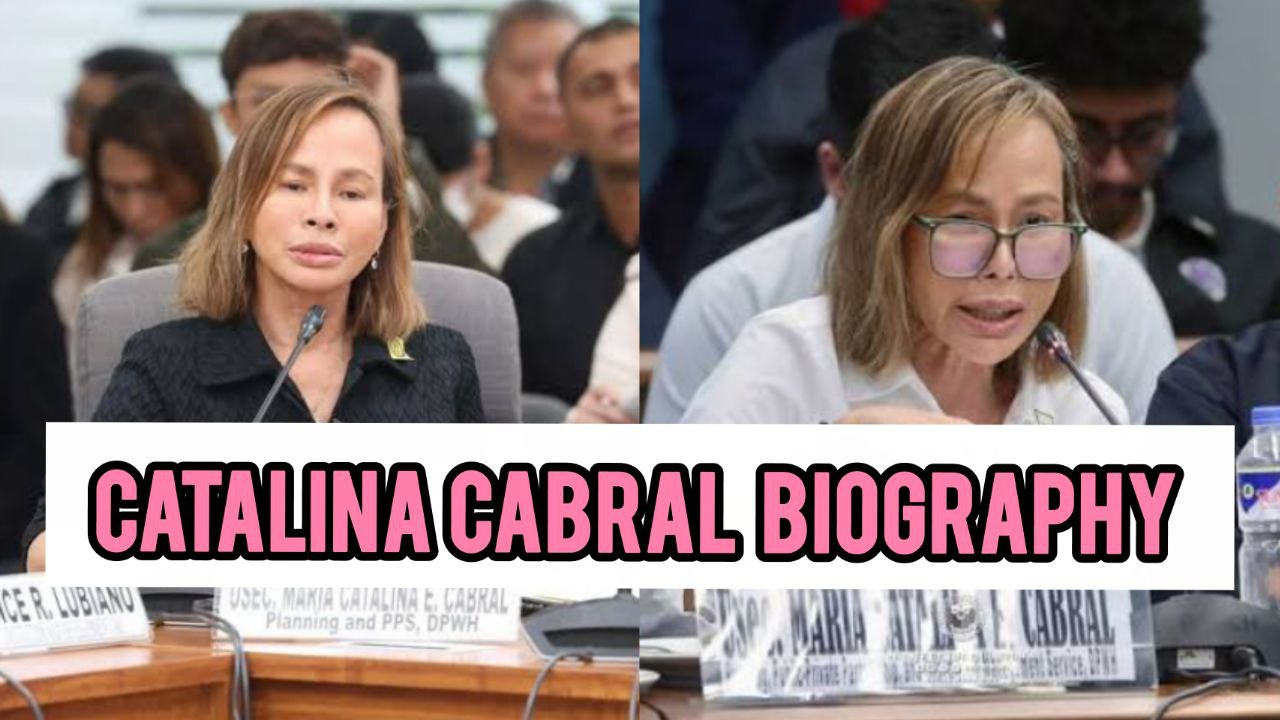
Maria Catalina Cabral Biography
Maria Catalina Cabral was born on May 23, 1962, in Manila, Philippines. Maria Catalina E. Cabral was a long-serving civil engineer and public servant in the Philippines. She rose through the ranks of the Department of Public Works and Highways (DPWH) over many years and eventually served as Undersecretary for Planning and Public-Private Partnership. Cabral was widely known in government and infrastructure circles for her technical background, long service, and leadership roles. Maria Catalina Cabral was 63 years old as of 2025.
Cabral trained as a civil engineer and later earned advanced academic qualifications, including doctoral degrees in business and public administration. Official profiles and public resumes show she also pursued further studies and short programs at well-known institutions and took courses in areas such as data analytics and digital transformation. Her combination of engineering and management education shaped a career that moved between technical project work and high-level planning inside the DPWH and related public agencies.
Throughout her career she built a reputation for expertise in road engineering, flood mitigation design, and project planning. She also broke gender barriers in a male-dominated field: Cabral was reported to be the first rank-and-file female staff member of the DPWH to rise to the level of undersecretary, and she served in leadership roles in professional engineering organizations. Colleagues often described her public profile as that of a seasoned bureaucrat who combined technical skill with administrative experience.
Maria Catalina Cabral Career
Cabral’s professional life centered on infrastructure planning, project programming, and public-private partnership work. She began at the DPWH in an entry role and steadily rose through positions that covered field engineering, planning, and procurement. Over time she took on management posts that required both engineering judgment and budgetary planning, which prepared her to guide national infrastructure programs.
In November 2014 she was appointed Undersecretary for Planning and PPP at the DPWH. In that post her office handled national infrastructure programming, budget consolidations, and the preparation of priority projects. The role connected technical design with the exercise of budget choices, making it central to how the DPWH proposed and prioritized projects in the National Expenditure Program and national infrastructure plans. Her tenure included public speaking, representation on boards such as the National Irrigation Administration, and active participation in technical and policy forums.
Cabral also served in professional bodies including the Philippine Institute of Civil Engineers and the Road Engineering Association of the Philippines. She won numerous awards and national recognitions for public service and engineering excellence, and she held teaching or professional chair positions in academic settings. Those honors reflected a career that combined technical depth with a public-facing leadership role.
Her responsibilities sometimes placed her at the center of politically sensitive decisions. The DPWH planning office she led was responsible for drafting lists of proposed projects that could later be included in the government budget process. Because such lists can determine which local projects receive funding, the office became a focal point in national debates about transparency, budget insertions, and how priority projects are set. Cabral’s role therefore combined technical planning with high political visibility.
Maria Catalina Cabral Personal Life
Cabral kept much of her private life out of public view. Public profiles and official resumes focused on her professional qualifications rather than personal details. News reports indicate Maria Catalina Cabral was married to Thomas Cabral and had family who survived her, but she rarely discussed private matters in public. Her life was primarily presented to the public as the life of a technical leader and bureaucrat.
Peers who worked with her described her as disciplined, technically minded, and focused on detail. They noted she combined engineering training with management skills and a commitment to building professional capacity among engineers. Outside work she participated in industry events and in professional organizations, and she earned respect for being a woman who rose through technical ranks to senior leadership. Her quiet profile meant that colleagues and the institutions she served were often the best sources of information about her character and work.
Maria Catalina Cabral Controversies
In 2025 Cabral became a prominent figure in national inquiries about alleged irregularities in flood control projects. Lawmakers and investigatory bodies examined claims that some projects were listed in budgets as “insertions” or “allocables” and that the project lists were influenced before budgets reached the legislature. The questions raised covered whether project lists were created or steered to benefit specific contractors or regions. Cabral was called to testify before congressional panels and was subpoenaed by independent investigatory bodies looking into the matter. She denied that she took part in kickback schemes and said her work was limited to planning rather than project execution.
Her resignation from the DPWH in September 2025 came amid these probes and increasing scrutiny. Public officials accepted her resignation, and several investigatory panels continued to request documents and testimony from current and former DPWH staff — including material that Cabral was said to possess. Lawmakers publicly expressed concern that her departure and untimely death could hamper full disclosure of records relevant to the investigations. Several representatives urged authorities to secure her devices, emails, and project files as part of the probe.
Because the allegations involved allocations worth many millions, the controversy touched political, technical, and legal questions. Some lawmakers said documents linked to Cabral could prove which people or groups benefited from particular budget insertions. Others warned against speculation and asked law enforcement and anti-graft bodies to follow proper legal steps, preserve evidence, and protect witnesses. The Independent Commission for Infrastructure and the Office of the Ombudsman were among the institutions that urged careful, timely preservation of records to support ongoing inquiries.
Maria Catalina Cabral Death
On December 18–19, 2025, authorities found Maria Catalina Cabral unconscious and unresponsive near the Bued River at Kennon Road in Benguet. Rescuers retrieved her from a ravine area and she was later pronounced dead in the early hours of December 19. Local police initially reported an alleged fall into the ravine and said the scene was being investigated. National media reported the discovery and law enforcement’s involvement as they began a formal inquiry.
Because Cabral had been linked to high-profile investigations into flood control projects, her sudden death sparked immediate calls from lawmakers and independent bodies for a prompt and thorough probe. Some representatives publicly asked whether anyone might benefit from her death and urged authorities to treat her devices and papers as potential evidence. The Independent Commission for Infrastructure explicitly called for law enforcement to preserve her gadgets and files and to rule out foul play. Investigators from local police, the scene-of-crime operatives, and national agencies were reported to be coordinating in the early stages of the inquiry.
At the time of reporting, authorities had not publicly concluded whether Cabral’s death was an accident, suicide, or the result of foul play. Multiple news outlets made clear the investigation was ongoing and that official findings would follow once forensic work, witness interviews, and a full accounting of physical and digital evidence were complete. Officials also asked the public to allow the investigative process to proceed and to respect the family’s privacy while inquiries continue.
Conclusion
Maria Catalina Cabral’s life was a long career in engineering and public service. She rose from technical roles to senior planning positions at the DPWH and earned recognition in professional circles for her leadership and expertise. In 2025 she became a figure in high-profile probes of infrastructure budgeting, a role that placed her under intense public scrutiny. Her sudden death near Kennon Road in December 2025 deepened public concern and led lawmakers and independent bodies to call for a careful, transparent investigation.
Leave a Reply