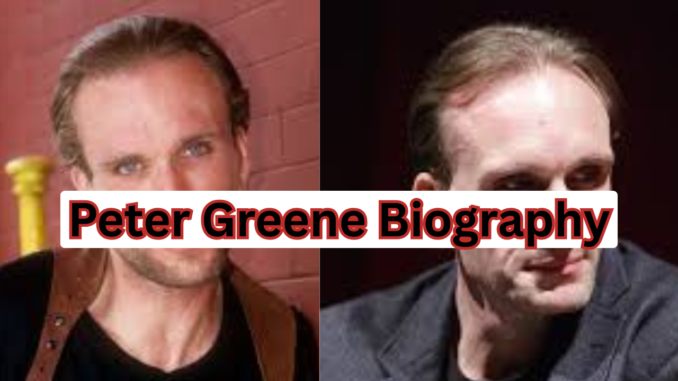
Biography
Peter Green, born Peter Allen Greenbaum on October 29, 1946, in Bethnal Green, London, was one of the most gifted blues guitarists of his generation. He grew up in a working-class Jewish family in East London, where music was always present. From a young age, he showed a deep love for sound and rhythm. His older brother owned a guitar, and that instrument quickly became a major part of Peter’s life.
Peter left school at a young age and worked different jobs while playing music in his spare time. He practiced for hours and listened carefully to American blues artists. Musicians like B.B. King and Muddy Waters had a strong influence on his style. Unlike many players who focused on speed, Peter focused on feeling. His guitar did not just make noise; it spoke with emotion.
In the mid-1960s, he got his first big break when he joined the British blues band John Mayall’s Bluesbreakers, replacing Eric Clapton. This was a huge opportunity. The Bluesbreakers were known for shaping some of the best guitarists in Britain. Peter quickly proved that he was not just a replacement but a powerful talent in his own right.
Peter Green later became famous as the founder of Fleetwood Mac, a band that would go on to become one of the biggest rock groups in history. However, during Peter’s time with the band, their sound was deeply rooted in blues rather than pop rock. His songwriting, guitar tone, and creative direction shaped the band’s early success.
Peter Green passed away on July 25, 2020, at the age of 73. His death marked the end of a remarkable and sometimes troubled life, but his music continues to inspire fans and musicians around the world.
Career
Peter Green’s career began in local bands around London. His true rise started when he joined John Mayall’s Bluesbreakers in 1966. Replacing Eric Clapton was not easy, but Peter earned respect quickly. His playing was smooth, emotional, and deeply expressive. He did not try to compete with Clapton by copying him. Instead, he created his own style that was softer yet powerful.
In 1967, Peter left the Bluesbreakers and formed Fleetwood Mac with drummer Mick Fleetwood and bassist John McVie. The band’s name came from combining Fleetwood and McVie’s surnames. In its early years, Fleetwood Mac was a pure blues band. Peter wrote many of their early hits, including “Albatross,” “Oh Well,” and “Man of the World.”
“Albatross” became a number one hit in the United Kingdom in 1968. It showed a different side of Peter’s talent. The song was calm, instrumental, and atmospheric. It proved that he was not only a blues guitarist but also a creative composer.
Peter’s guitar tone became legendary. He used a 1959 Gibson Les Paul, which later became known as one of the most famous guitars in rock history. His playing style was emotional rather than flashy. Many guitarists admired him for his ability to make simple notes sound deep and meaningful.
However, as Fleetwood Mac’s fame grew, Peter began to struggle. The pressure of success and personal challenges affected his mental health. By 1970, he left the band. His departure changed the direction of Fleetwood Mac. Later lineups, including members like Stevie Nicks and Lindsey Buckingham, turned the band toward a more pop-rock sound.
After leaving Fleetwood Mac, Peter’s career became unstable. He released solo music, but his mental health struggles limited his activity. In the 1990s, he made a strong comeback with the Peter Green Splinter Group, returning to his blues roots. Fans were happy to see him performing again, even if his style had softened.
Peter Green was widely respected by fellow musicians. Guitarists such as Carlos Santana openly praised him. Santana once said Peter had the sweetest tone he had ever heard. That statement shows how deeply Peter influenced the music world.
Personal Life
Peter Green’s personal life was complex and sometimes difficult. Fame came quickly, and it was not easy for him to handle. In the late 1960s, he experimented with drugs, which made his mental health struggles worse. He was later diagnosed with schizophrenia, a serious mental health condition.
During the 1970s, Peter withdrew from public life. He lived quietly and avoided the spotlight. For a time, he even gave away much of his money because he felt uncomfortable with wealth and fame. Friends and family tried to support him, but his journey was not simple.
Despite these challenges, Peter remained deeply connected to music. Even when he was not recording or touring, he continued to play guitar privately. Music was always part of him. Over time, treatment and support helped him regain some stability.
Peter’s life reminds many people that talent and fame do not protect someone from mental health struggles. His openness about his difficulties helped reduce stigma around mental illness in the music industry.
Wife
Peter Green was married to Jane Samuels in 1978. Their marriage, however, did not last long, and they later separated. The details of his marriage were kept mostly private. Peter was not someone who liked to discuss his relationships in public.
He had a daughter named Rosebud. Although Peter kept his family life quiet, those close to him said he cared deeply about his loved ones. After years of instability, he eventually lived more peacefully with support from family members.
Unlike many rock stars of his time, Peter did not live a flashy lifestyle filled with public romance stories. His relationships remained mostly out of the media. This privacy helped him focus on his recovery and music later in life.
Cause of Death
Peter Green died peacefully in his sleep on July 25, 2020. His family confirmed his death through a statement. The exact medical cause was not widely detailed, but it was reported as natural causes.
His passing was felt deeply across the music world. Former Fleetwood Mac members, including Mick Fleetwood, paid tribute to him. Many artists shared messages about his influence and kindness.
Peter’s death marked the end of a chapter in British blues history. However, his music continues to live on. Songs like “Albatross” and “Black Magic Woman” remain classics. Interestingly, “Black Magic Woman” later became a huge hit for Carlos Santana, introducing Peter’s songwriting to a new generation.
Even after his death, critics and fans continue to rank him among the greatest guitarists of all time. His emotional style, pure tone, and honest songwriting set him apart from others.
Conclusion
Peter Green’s life was filled with talent, success, struggle, and redemption. From a young boy in London to the founder of Fleetwood Mac, his journey was powerful and unique. He shaped the sound of British blues and left a strong mark on rock history.
Although his career faced many challenges, his influence never faded. His music still touches listeners because it comes from a place of deep feeling. Peter Green may be gone, but his guitar continues to speak through every note he recorded. His story reminds us that true artistry is not about fame but about emotion and honesty.
FAQs
Who Was Peter Green?
Peter Green was a British blues guitarist and the founder of Fleetwood Mac. He was known for his emotional playing style and songs like “Albatross” and “Black Magic Woman.”
How Did Peter Green Die?
Peter Green died peacefully in his sleep in July 2020. His death was reported as being from natural causes.
Why Did Peter Green Leave Fleetwood Mac?
He left Fleetwood Mac in 1970 due to mental health struggles and the pressure of fame.
Was Peter Green Married?
Yes, Peter Green was married to Jane Samuels in 1978, but the marriage later ended in separation.
What Made Peter Green’s Guitar Style Special?
Peter Green’s guitar style was emotional and soulful. Instead of focusing on speed, he focused on tone and feeling, which made his music powerful and timeless.

Peter Charles is a journalist and writer who covers battery-material recycling, urban mining, and the growing use of microreactors in industry. With 10 years of experience in industrial reporting, he explains new technologies and industry changes in clear, simple terms. He holds both a BSc and an MSc in Electrical Engineering, which gives him the technical knowledge to report accurately and insightfully on these topics.
Leave a Reply