Category: RecenTrendz

  • Mickey Lee Biography and Cause of Death

    Mickey Lee Biography and Cause of Death

    Biography

    Mickey Lee was an American television personality and reality star who became known nationwide for her appearance on CBS’s reality series Big Brother — specifically on Season 27 of the show. She first gained public attention in 2025 when the season aired, showcasing her vibrant personality, strategic gameplay, and authentic presence in the Big Brother house. Fans and fellow contestants alike admired her energy and spirit, making her one of the memorable houseguests of that season.

    Originally from Jacksonville, Florida, Mickey later lived in Atlanta, Georgia, where she was based before joining Big Brother. Prior to her television debut, she worked as an event curator, a profession that reflected her creative talent and ability to connect with people. Her time on Big Brother allowed audiences to see both her competitive side and her warm personality, and she exited the season after 59 days in the competition, finishing in 10th place.

    Although her time in the public eye was relatively brief, Mickey quickly developed a loyal following. Viewers praised her for her authenticity and resilience, and even after her departure from the show her presence continued to resonate with fans of the franchise.

    Cause of Death

    Tragically, Mickey Lee died on December 25, 2025 — Christmas Day — at the age of 35. Her family confirmed the news in a heartfelt statement shared publicly on December 26, 2025, expressing profound sadness and describing her as someone who “captured the hearts of audiences nationwide” through her television appearance.

    The cause of her death was multiple cardiac arrests triggered by complications from the flu. According to reports and a GoFundMe page set up by her loved ones shortly before her passing, Mickey had been hospitalized in critical condition after a sudden health crisis, during which she suffered a series of cardiac arrests stemming from flu-related complications and was being treated in the intensive care unit.

    Her death came as a shock to many because she had shared moments of life and activity on social media only days before the crisis, highlighting how quickly her health deteriorated. Her family asked for privacy while grieving and thanked supporters for their love and prayers during that difficult time.

    Legacy and Public Reaction

    In the immediate aftermath of the announcement, tributes poured in from fellow Big Brother cast members, past alumni, and fans. Many shared memories of Mickey’s vibrant personality, her kindness, and her unmistakable presence on the show. Host Julie Chen Moonves also publicly honored her memory, reflecting on Mickey’s courage, faith, and joy.

    Despite her untimely passing at just 35, Mickey Lee left a lasting impact on the Big Brother community and the wider entertainment audience. Her warmth and authenticity — captured during her time on national television — ensured that many fans would remember her not just as a contestant, but as a real person who brought energy and spirit to screens across the country.

    FAQs

    How old was Mickey Lee when she died?
    Mickey Lee was 35 years old at the time of her death on Christmas Day, December 25, 2025.

    What reality show did Mickey Lee appear on?
    Mickey Lee appeared on Season 27 of Big Brother on CBS, where she became known to a national audience for her personality and gameplay.

    What caused Mickey Lee’s death?
    Her death was the result of multiple cardiac arrests that occurred after complications from the flu, according to her family’s statement.

    Where was Mickey Lee from originally?
    She was originally from Jacksonville, Florida and later lived in Atlanta, Georgia.

    How did fans and fellow contestants react to her death?
    Tributes poured in from Big Brother castmates, alumni and fans, who remembered her for her authenticity, positive energy, and strong connections with others. Host Julie Chen Moonves also honored her memory publicly.

    Read More…

  • Pat Finn Biography: Cause of Death of the American Actor

    Pat Finn Biography: Cause of Death of the American Actor

    Biography

    Patrick Cassidy Finn was born on July 31, 1965, in Evanston, Illinois, United States. He grew up in the nearby town of Wilmette, where he spent most of his childhood and teenage years. Patrick came from a supportive family environment that encouraged education, teamwork, and creativity.

    He attended Loyola Academy, a well-known private school in Illinois, where he developed an interest in performing and sports. After completing high school, Patrick went on to study at Marquette University, graduating in 1987. During his time at university, he played on the rugby team, where he formed friendships that would later become part of comedy history. One of his teammates was Chris Farley, who would later become a famous comedian and actor.

    Although Patrick did not start out planning a traditional acting career, his love for performance and humor slowly guided him toward the entertainment industry. After graduating, he made a key decision to move to Chicago, a city known for its strong comedy and theater culture. This choice would shape the rest of his professional life.

    Career

    Patrick Cassidy’s acting career began in the world of improvisational comedy, which is where many famous American comedians first developed their skills. In Chicago, he joined The Second City National Touring Company, one of the most respected comedy groups in the country. The Second City is known for producing legendary performers, and Patrick fit naturally into this creative environment.

    While in Chicago, he also performed regularly at the iO Theater, another important improv venue. His ability to think quickly, deliver natural dialogue, and connect with audiences helped him stand out. After writing and performing in two resident shows at The Second City, Patrick caught the attention of television producers.

    Breakthrough on Television

    Patrick Cassidy’s big break came in 1995 when he was cast as Dan Coleman on the CBS sitcom The George Wendt Show. Although the show was short-lived, it gave Patrick national exposure and opened doors to more television work.

    Following this role, he appeared as Phil Jr. on the popular CBS sitcom Murphy Brown from 1995 to 1997. His recurring role on the show helped establish him as a reliable and likable supporting actor.

    He continued to work steadily on television, appearing in well-known series such as 3rd Rock from the Sun and Ed, where he played Jim Frost from 2001 to 2002. These roles showed his range and ability to blend comedy with emotional depth.

    Film Roles

    During the early 2000s, Patrick Cassidy also appeared in several comedy films. Some of his notable movie roles include Dude, Where’s My Car? (2000), How High (2001), and I Love You, Beth Cooper (2009). While these were supporting roles, they kept him active in Hollywood and introduced him to younger audiences.

    Most Recognized Role

    Patrick Cassidy’s most famous and long-running role came when he played Bill Norwood on the ABC sitcom The Middle. He appeared on the show from 2011 to 2018, becoming a familiar and well-liked character. His performance added humor and realism to the series, which focused on the everyday life of a middle-class American family.

    He later took on a main role as Bob Forman on the Nickelodeon science fiction sitcom Marvin Marvin, which aired from 2012 to 2013. This role allowed him to connect with a younger audience and showed his ability to work in family-friendly television.

    Personal Life

    Patrick Cassidy was known as a private and family-oriented person. He was married to Donna, and together they built a stable and loving home. The couple had three children, named Cassidy, Caitlin, and Ryan.

    Despite working in the entertainment industry, Patrick valued a quiet personal life away from the spotlight. He focused on being a present father and husband while balancing his professional responsibilities. Friends and colleagues often described him as kind, grounded, and easy to work with.

    He continued living in Los Angeles, where he spent his later years surrounded by family and close friends. Even during periods of illness, he remained connected to his loved ones and maintained a positive outlook.

    Controversies

    Unlike many public figures in Hollywood, Patrick Cassidy was not involved in major controversies. Throughout his career, he maintained a clean reputation and avoided scandals related to personal behavior, legal issues, or public disputes.

    His name was never linked to professional misconduct or public feuds. Instead, he was respected for his professionalism, reliability, and respectful attitude toward colleagues and fans.

    The absence of controversy is often seen as a reflection of his character. Patrick focused on his craft rather than fame, which allowed him to enjoy a long and steady career without damaging headlines.

    Cause of Death

    In 2022, Patrick Cassidy was diagnosed with bladder cancer. He faced the illness privately, choosing to focus on treatment and time with his family rather than public attention.

    Despite medical care and personal strength, his condition worsened over time. On December 22, 2025, Patrick Cassidy Finn passed away at his home in Los Angeles. He was 60 years old at the time of his death.

    His passing was caused by complications related to bladder cancer. News of his death saddened fans, colleagues, and the television community, who remembered him for his talent, kindness, and lasting contributions to comedy and television.

    Conclusion

    Patrick Cassidy Finn lived a life defined by dedication, talent, and humility. From his early days performing improv comedy in Chicago to his memorable television roles, he built a career based on consistency rather than controversy. His work on shows like Murphy Brown, Ed, and The Middle made him a familiar and trusted face in American homes.

    Beyond his acting, Patrick was a devoted family man who valued privacy and meaningful relationships. His death in 2025 marked the end of a respected career, but his performances continue to live on through reruns and films enjoyed by audiences worldwide. Patrick Cassidy will be remembered as a dependable actor and a genuine human being.

    FAQs

    Who was Patrick Cassidy Finn?
    Patrick Cassidy Finn was an American film and television actor best known for his roles in The Middle, Murphy Brown, and Marvin Marvin.

    What was Patrick Cassidy’s most famous role?
    His most notable role was Bill Norwood on the ABC sitcom The Middle, which he played for several years.

    Was Patrick Cassidy married?
    Yes, he was married to Donna, and they had three children together.

    Did Patrick Cassidy have any major controversies?
    No, he maintained a clean public image throughout his career with no major controversies.

    What was the cause of Patrick Cassidy’s death?
    Patrick Cassidy died on December 22, 2025, due to complications from bladder cancer.

    See More…

  • Nick Bolkus Biography: Life, Career, Family, and Cause of Death

    Nick Bolkus Biography: Life, Career, Family, and Cause of Death

    Biography

    Nick Bolkus was born on 17 July 1950 in Adelaide, South Australia. He grew up during a period when Australia was redefining itself socially and politically, and those changes would later shape his worldview. From an early age, Bolkus showed a strong interest in public affairs, law, and justice.

    He attended Adelaide High School, one of the state’s most respected public schools, before moving on to the University of Adelaide, where he studied law. His legal education gave him a solid foundation in policy, governance, and the mechanics of legislation skills that would later define his political career.

    After completing his studies, Bolkus worked briefly as a lawyer in 1974 and 1975. However, the courtroom was never meant to be his final destination. Politics, with all its complexity and possibility for reform, called louder. He soon transitioned into political advising, working as a research officer for several Australian Labor Party (ALP) figures, including the prominent minister Clyde Cameron.

    Like many politicians, Bolkus faced early setbacks. He unsuccessfully contested the Torrens district seat in the 1975 South Australian state election and later ran unsuccessfully for the Senate in 1977. But persistence paid off. In the 1980 federal election, Nick Bolkus was elected to the Australian Senate, representing South Australia—a role he would hold for nearly 24 years, from 1 July 1981 to 30 June 2005.

    Career

    Nick Bolkus’s political career was long, layered, and impactful. Once in the Senate, he quickly gained a reputation as a serious policy thinker rather than a headline chaser. He believed in reform that worked quietly but lasted a long time like building strong foundations rather than flashy rooftops.

    Early Senate Years

    During his early years in Parliament, Bolkus focused heavily on legislative detail and committee work. He served on and chaired several Senate standing committees, particularly in areas such as:

    • Legal and constitutional affairs
    • Human rights
    • Indigenous affairs
    • Industrial relations
    • Foreign affairs

    He also represented Australia internationally, including appearances at the Constitutional Conventions of 1983 and 1984 and the United Nations General Assembly in 1986.

    Minister for Consumer Affairs (1988–1990)

    Bolkus entered the federal ministry in 1988 as Minister for Consumer Affairs and Minister Assisting the Treasurer for Prices. This role proved to be one of his most influential.

    During this period, he:

    • Introduced world-leading privacy laws protecting individuals in their dealings with credit agencies
    • Established the Banking Ombudsman, giving consumers a clearer path to resolve disputes
    • Streamlined National Uniform Food Laws
    • Investigated pricing practices in industries such as computer software, music, and books

    In simple terms, Bolkus worked to make sure everyday Australians were not bullied or exploited by large corporations. He believed the market should serve people—not the other way around.

    Minister for Administrative Services (1990–1993)

    In 1990, Bolkus was appointed Minister for Administrative Services and entered Cabinet. In this role, he pushed for transparency and modernization within government systems.

    Key achievements included:

    • Introducing comprehensive political donation disclosure laws
    • Commercialising and modernising government departments
    • Using government procurement to support environmental and technology policies

    Think of this phase as Bolkus upgrading the engine of government—making it more transparent, efficient, and future-ready.

    Minister for Immigration and Ethnic Affairs (1993–1996)

    Perhaps his most socially significant role came in 1993, when he became Minister for Immigration and Ethnic Affairs and Minister Assisting the Prime Minister for Multicultural Affairs.

    Here, Bolkus worked to modernize Australia’s immigration system by:

    • Rewriting Australia’s migration laws
    • Establishing the Refugee Review Tribunal
    • Reforming business and skilled migration programs
    • Reviewing the Australian Citizenship Act for the first time since 1948
    • Removing references to the monarch from the oath of allegiance
    • Increasing refugee and migration intake levels

    His approach aimed to balance economic needs, humanitarian responsibilities, and social cohesion—no small task in a diverse and growing nation.

    Shadow Attorney-General (1996–2001)

    After the Labor government lost the 1996 election, Bolkus moved into opposition, serving as Shadow Attorney-General and Shadow Minister for Justice until 2001. In this role, he continued to influence debate on legal reform, civil liberties, and justice policy.

    Personal Life

    Behind the formal titles and Senate debates, Nick Bolkus lived a grounded and relatively private personal life. He was known among colleagues as thoughtful, analytical, and calm—someone who preferred policy discussions over political theatre.

    Bolkus was married to Mary Patetsos, and together they built a stable family life away from Canberra’s spotlight. Despite the demands of federal politics, he remained closely connected to South Australia, particularly Henley Beach, where he resided.

    Those who worked with him often described him as principled and methodical. He believed that good governance was like good architecture: if you don’t get the structure right, everything else eventually collapses.

    After leaving Parliament in 2005, Bolkus did not fully retire. Instead, he shifted into advisory and lobbying roles, offering strategic political insight to organizations and businesses. He was involved with firms such as Bespoke Approach and later operated under the name Kazaru, representing clients across infrastructure, energy, health, and development sectors.

    Family

    Family played a central role in Nick Bolkus’s life. He and his wife, Mary Patetsos, raised three children, keeping their family life largely shielded from public attention.

    Unlike many political families, the Bolkus household stayed mostly out of media headlines. This was a deliberate choice. Bolkus believed that public service should not come at the cost of personal privacy, especially for children.

    His Greek heritage through marriage and close involvement with multicultural organizations, such as the Australian Hokkien Association, reflected his belief in cultural inclusion and community engagement.

    In many ways, his family life mirrored his political philosophy: steady, respectful, and rooted in long-term values rather than short-term attention.

    Cause of Death

    Nick Bolkus passed away on 25 December 2025, at the age of 75.

    At the time of his death, no official cause of death was publicly disclosed. His passing was acknowledged across political lines, with tributes highlighting his decades of service, legal expertise, and commitment to public policy.

    Dying on Christmas Day gave his passing a quiet, reflective tone—much like the way he lived his political life. There were no dramatic final chapters, just the closing of a long and meaningful career dedicated to public service.

    Conclusion

    Nick Bolkus was not a politician who chased applause. Instead, he focused on building systems that worked—often behind the scenes. From protecting consumer rights to reshaping immigration laws, his contributions helped modernize Australia in lasting ways.

    He served his country for nearly a quarter of a century, guided by law, reason, and a belief in fairness. In a political world often dominated by noise, Nick Bolkus proved that calm, consistent leadership can still leave a powerful legacy.

    FAQs

    Who was Nick Bolkus?
    Nick Bolkus was an Australian Labor Party politician and lawyer who served as a Senator for South Australia from 1981 to 2005.

    What were Nick Bolkus’s most important achievements?
    He introduced major consumer protection laws, reformed immigration policy, established the Refugee Review Tribunal, and strengthened political donation transparency.

    Was Nick Bolkus married?
    Yes, he was married to Mary Patetsos, and they had three children together.

    What political party did Nick Bolkus belong to?
    He was a long-serving member of the Australian Labor Party (ALP).

    What was the cause of Nick Bolkus’s death?
    The cause of his death in December 2025 was not publicly disclosed.

    See More…

  • Perry Bamonte Biography and Cause of Death

    Perry Bamonte Biography and Cause of Death

    Biography

    Perry Archangelo Bamonte was an English musician and visual artist best known for his long association with the legendary alternative rock band The Cure. Born on 3 September 1960 in London, England, Bamonte became a respected figure in post-punk and gothic rock, admired for his understated talent, loyalty to the music, and behind-the-scenes dedication that eventually brought him into the spotlight. His career spanned more than four decades, and his contributions helped shape some of The Cure’s most memorable live and studio moments.

    Perry Bamonte grew up in London and was exposed to music early in life. His younger brother, Daryl Bamonte, worked as a tour manager for major bands including The Cure and Depeche Mode, which would later become a crucial link in Perry’s professional journey. Through this family connection, Bamonte joined The Cure’s road crew in 1984, initially working behind the scenes rather than on stage.

    During this period, Bamonte served as guitar technician and personal assistant to Robert Smith, the band’s frontman. Although he was already a capable guitarist, his time with the band became a period of musical growth. He learned to play keyboards and piano, receiving guidance from Janet Smith, Robert Smith’s sister. This quiet training phase laid the foundation for his eventual transition from crew member to full band member.

    In 1990, when longtime keyboardist Roger O’Donnell left the band, Bamonte was promoted to an official member of The Cure. He took on a flexible role, contributing keyboards, guitar, bass, and occasional percussion, depending on the band’s needs. His adaptability made him an essential part of the group during the 1990s.

    Career

    Perry Bamonte made his first studio appearance as a full member of The Cure on the album “Wish”, released in 1992. The album was a major success and marked one of the band’s most popular eras. He continued with The Cure through several albums and extensive world tours, performing in front of millions of fans and helping to recreate the band’s layered, atmospheric sound on stage.

    As band dynamics changed, particularly with the departure of guitarist Porl Thompson and the later return of Roger O’Donnell, Bamonte’s responsibilities shifted. He became more focused on guitar work, adding texture and depth to The Cure’s live performances. Despite not being a high-profile personality, he was widely respected for his professionalism and musical sensitivity.

    In 2005, Bamonte and O’Donnell were dismissed from the band as Robert Smith sought to restructure The Cure as a three-piece. Although the decision came as a surprise, there was no public conflict, and Bamonte remained on amicable terms with Smith.

    After leaving The Cure, Bamonte stepped away from the mainstream music scene. He focused on fly fishing and developed a parallel career as an illustrator, contributing artwork and written pieces to the magazine Fly Culture. His artistic work reflected the same quiet creativity that defined his music career.

    In 2012, Bamonte returned to music as the bassist for the supergroup Love Amongst Ruin. He appeared on their 2015 album “Lose Your Way”, earning praise for his restrained and melodic bass playing.

    In 2019, he reunited publicly with past and present members of The Cure during their Rock and Roll Hall of Fame induction. Then, in a move that surprised fans, Bamonte rejoined The Cure in 2022 for the band’s Shows of a Lost World tour. He remained with the band until the end of his life, marking a full-circle return to the group that defined his career.

    Personal Life

    Perry Bamonte was known as a private and reserved individual. He avoided media attention and rarely spoke publicly about his personal life. Friends and colleagues often described him as gentle, thoughtful, and deeply committed to his craft. Outside music, he had a strong passion for nature, particularly fly fishing, and spent much of his later life focusing on art and personal creativity.

    Unlike many musicians of his generation, Bamonte did not chase fame. Instead, he preferred a balanced life, choosing meaningful work and personal peace over constant public exposure.

    Cause of Death

    Perry Bamonte died in December 2025 at the age of 65. According to confirmed reports, he passed away at home following a short illness that developed around Christmas Day 2025. No specific medical condition was publicly disclosed by his family or representatives.

    Out of respect for his privacy, further details about the illness were not released. His death was described as peaceful, and tributes from fans and fellow musicians highlighted his kindness, loyalty, and lasting impact on The Cure’s sound and legacy.

    Legacy

    Perry Bamonte’s legacy is one of quiet influence rather than celebrity. He proved that not every great musician needs to stand at the center of the stage to leave a mark. His work with The Cure across multiple decades, his return during the band’s final touring era, and his devotion to music and art earned him lasting respect.

    Though he often worked in the background, his presence was deeply felt, and his contributions continue to resonate with fans of alternative and gothic rock around the world.

    Conclusion

    Perry Bamonte’s life and career tell the story of a quiet but deeply influential musician who helped shape the sound and atmosphere of one of the most important alternative bands in music history. From his early days behind the scenes as a road crew member and guitar technician, to standing on stage as a full member of The Cure, Bamonte’s journey was built on patience, dedication, and genuine love for music. He was never the loudest presence in the room, but his layered guitar work, textured keyboards, and artistic sensibility added depth to The Cure’s evolving sound during some of their most memorable years.

    Beyond the spotlight, Perry Bamonte lived a creative and grounded life. His love for illustration, fly fishing, and quieter pursuits showed a man who valued balance over fame. Even after his dismissal from the band in 2005, he carried no public bitterness, later reuniting with The Cure and proving that respect and friendship had endured over time. His return to the stage in 2022 was met with warmth from fans who recognized his importance to the band’s legacy.

    Bamonte’s death in December 2025, following a short illness, marked the end of a meaningful chapter in alternative music. Though he may not have chased celebrity, his contribution continues to echo through the songs, tours, and memories shared by fans around the world. Perry Bamonte will be remembered not only as a talented musician, but as an artist who stayed true to himself until the very end.

    FAQs

    Who was Perry Bamonte?
    Perry Bamonte was an English musician and artist best known for being a guitarist and keyboardist for The Cure from 1990 to 2005, and again from 2022 until his death in 2025. He was also the bassist for the band Love Amongst Ruin.

    What role did Perry Bamonte play in The Cure?
    Bamonte played guitar, keyboards, and occasionally bass and percussion. He contributed to several major albums, including Wish, and helped shape The Cure’s live and studio sound during the 1990s and early 2000s.

    Why did Perry Bamonte leave The Cure in 2005?
    In 2005, Perry Bamonte and Roger O’Donnell were dismissed as part of Robert Smith’s decision to temporarily restructure The Cure as a three-piece band. Despite this, Bamonte remained on good terms with Smith.

    What was Perry Bamonte’s cause of death?
    Perry Bamonte died in December 2025 at the age of 65 after a short illness. He passed away at home, and no further medical details were publicly disclosed.

    Did Perry Bamonte return to The Cure before his death?
    Yes, Perry Bamonte rejoined The Cure in 2022 for their Shows of a Lost World tour, marking a quiet but meaningful return that was warmly received by fans worldwide.

    See More…

  • Chris Rea Biography and Cause of Death

    Chris Rea Biography and Cause of Death

    Biography

    Christopher Anton Rea, known worldwide as Chris Rea, was an English rock and blues singer-songwriter, guitarist, and record producer whose career spanned more than five decades. Born on 4 March 1951 in Middlesbrough, England, and passing away on 22 December 2025 at the age of 74, Rea became one of the most recognizable voices in European music, celebrated for his gravelly vocals, soulful slide guitar, and deeply reflective songwriting.

    Chris Rea grew up in a working-class family in Middlesbrough, a town shaped by industry, steel, and hard work. His father, Camillo Rea, was an Italian immigrant who ran a successful ice cream business, while his mother, Winifred Slee, was Irish. Music was not initially his main focus. As a teenager, Rea dreamed of becoming a journalist or writing for films, but life in northern England during the late 1960s offered limited opportunities.

    He discovered music relatively late, picking up a guitar in his early twenties. Unlike many of his peers, Rea was self-taught. He developed a unique playing style heavily influenced by American blues legends such as Charlie Patton, Blind Willie Johnson, and Muddy Waters. Even though he was left-handed, he played guitar right-handed, which added to his distinctive sound. Slide guitar soon became his signature, giving his music a raw, emotional edge.

    Rea entered the professional music scene in the early 1970s, joining local bands before signing a solo deal. His breakthrough came in 1978 with the song “Fool (If You Think It’s Over)”, which unexpectedly became a major hit in the United States. While the song earned him international recognition and a Grammy nomination, Rea often said it misrepresented him as a soft pop artist rather than a blues guitarist, something he struggled with early in his career.

    Career

    Throughout the 1980s and early 1990s, Chris Rea built one of the most consistent and successful recording careers in Europe. Albums like Shamrock Diaries, On the Beach, Dancing with Strangers, The Road to Hell, and Auberge turned him into a household name. Songs such as “Josephine,” “Stainsby Girls,” “Let’s Dance,” “Working on It,” and the now-iconic “Driving Home for Christmas” became timeless classics.

    At his commercial peak, Rea was selling millions of records, filling arenas, and topping album charts across the UK and Europe. Despite this success, he deliberately avoided heavy promotion in the United States and refused long American tours, choosing family life over global superstardom. This decision, while limiting his exposure in the U.S., helped preserve his artistic freedom and personal values.

    In the early 2000s, serious health issues changed the direction of his career. After surviving life-threatening illness, Rea stepped away from mainstream rock and returned to his blues roots. He founded his own independent label, Jazzee Blue, releasing deeply personal, blues-driven albums. His ambitious Blue Guitars project, a collection of eleven CDs exploring the history of blues music, was widely praised as one of the most daring projects of his later years.

    Even into his seventies, Rea continued recording, painting, and occasionally performing, proving that creativity, for him, was never tied to age or commercial trends.

    Personal Life

    Chris Rea was known for being intensely private. He married his childhood sweetheart, Joan Lesley, and they remained together for decades. The couple had two daughters, both of whom inspired some of his most emotional songs. Family always came first for Rea, which is why he consistently avoided the celebrity lifestyle and media spotlight.

    Outside music, Rea had a deep passion for painting and motor racing. He collected and raced classic cars and even wrote and starred in films connected to his love for motorsport. These interests were not hobbies for show; they were extensions of his personality and creativity.

    Friends and colleagues often described him as modest, thoughtful, and quietly humorous. He rejected the idea of being a “rock star,” seeing himself instead as a craftsman who wrote songs about real life, loss, love, and memory.

    Health Struggles and Cause of Death

    Chris Rea’s health challenges were well documented and medically confirmed. In 2001, he was diagnosed with pancreatic cancer, one of the most serious forms of cancer. He underwent a complex and risky Whipple procedure, which removed part of his pancreas and digestive system. The surgery saved his life but left him with long-term complications, including diabetes and a weakened immune system.

    In 2016, Rea suffered a stroke, affecting his speech and movement. Although he partially recovered and even returned to touring and recording, his health never fully stabilized. In the years that followed, he experienced recurring medical issues linked to his earlier conditions.

    Chris Rea died on 22 December 2025 in hospital following a short illness. While his family did not release extensive medical details, his death was consistent with complications related to his long history of serious health problems. There was no indication of foul play, and his passing was confirmed as natural causes.

    Legacy

    Chris Rea left behind an extraordinary musical legacy. He sold over 30 million records worldwide, influenced generations of guitarists, and proved that it was possible to achieve massive success without sacrificing artistic integrity. His music continues to resonate because it feels honest, unpolished, and human, like a long drive down an open road with memories playing softly in the background.

    Even after his death, songs like “The Road to Hell” and “Driving Home for Christmas” remain part of everyday life, reminding listeners that great music does not shout—it stays.

    Conclusion

    Chris Rea’s life was a story of quiet determination, creative freedom, and emotional depth. From a late-starting guitarist in Middlesbrough to one of Europe’s most respected singer-songwriters, he followed his own path and stayed true to it. His death in December 2025 marked the end of an era, but his music ensures that his voice will never truly fade.

    FAQs

    Was Chris Rea really dead?
    Yes. Chris Rea died on 22 December 2025 at the age of 74, as confirmed by official reports.

    What was Chris Rea’s cause of death?
    He died from natural causes following a short illness, related to long-term health complications including pancreatic cancer and stroke.

    Did Chris Rea have pancreatic cancer?
    Yes. He was diagnosed with pancreatic cancer in 2001 and underwent major surgery, which significantly affected his health for the rest of his life.

    Why did Chris Rea avoid touring in the United States?
    He chose family life and personal freedom over global fame, preferring to stay close to home rather than commit to long U.S. tours.

    What is Chris Rea best remembered for?
    He is best remembered for his distinctive voice, slide guitar style, and classic songs such as “The Road to Hell,” “Josephine,” and “Driving Home for Christmas.”

    Read More…

  • Karl-Anthony Towns Biography: The Story of an NBA Superstar and Partner

    Karl-Anthony Towns Biography: The Story of an NBA Superstar and Partner

    Biography

    Karl-Anthony Towns Jr. was born on November 15, 1995, in Edison, New Jersey, but his roots stretch far beyond one place. His father, Karl Towns Sr., is African-American and a former college basketball player. His mother, Jacqueline Cruz, was Dominican, strong-willed, and deeply influential in his life. From the start, Karl grew up in a home where education, discipline, and basketball were treated with equal respect.

    As a child, Karl wasn’t just tall — he was curious. He loved learning as much as he loved sports. His parents made sure he understood that basketball could open doors, but intelligence would keep them open. That mindset stuck with him.

    He spent most of his childhood in Piscataway, New Jersey, where his father coached high school basketball. Imagine being a kid, shooting hoops while grown athletes practiced around you. That environment sharpened his skills early and built confidence. Still, he wasn’t rushed. Karl repeated a school grade on purpose so he could develop physically and mentally. That decision later proved to be a masterstroke.

    By high school, Karl-Anthony Towns was already turning heads nationwide. At St. Joseph High School, he dominated games, led his team to multiple state titles, and became one of the top-ranked players in the entire country. Scouts didn’t just see size — they saw footwork, basketball IQ, and something rare: calm under pressure.

    Career

    Karl-Anthony Towns’ basketball career took off like a rocket, but it was built brick by brick.

    After high school, he committed to the University of Kentucky, one of the most competitive basketball programs in the world. Under coach John Calipari, Karl learned discipline, teamwork, and how to thrive in a system where stars share the spotlight. Even though Kentucky used a rotation system that limited minutes, Towns made every second count. His defense, rebounding, and soft shooting touch stood out.

    In 2015, everything changed.

    Karl-Anthony Towns was selected as the first overall pick in the NBA Draft by the Minnesota Timberwolves. That moment wasn’t just about basketball — it was validation of years of sacrifice. He entered the league with expectations sky-high, and instead of shrinking, he soared.

    In his rookie season, Towns was unstoppable. He played every game, averaged impressive numbers, and showed maturity beyond his years. By the end of the season, he was named NBA Rookie of the Year, earning the award unanimously — something only a few players in history have achieved.

    Year after year, Towns continued to evolve. He became known as one of the best shooting big men the NBA has ever seen. Three-point shots from a seven-footer? He made it look normal. In fact, he shocked the basketball world by winning the NBA Three-Point Contest, something no center had ever done before.

    After nearly a decade with the Timberwolves, where he became the heart of the franchise, Karl-Anthony Towns was traded to the New York Knicks. For a kid who grew up not far from New York, it felt like destiny circling back. With the Knicks, he helped revive championship hopes, deliver deep playoff runs, and bring excitement back to Madison Square Garden.

    His career isn’t just about stats. It’s about reinvention, resilience, and redefining what a big man can be.

    Personal Life

    Behind the highlights and packed arenas is a man who has faced deep personal pain.

    In 2020, Karl-Anthony Towns lost his mother to complications from COVID-19. The loss shook him to his core. Soon after, several other family members also passed away from the virus. For someone so strong on the court, the emotional toll was heavy.

    Instead of hiding, Towns spoke openly about grief, mental health, and loss. He became a voice for people struggling silently, showing that strength doesn’t mean pretending everything is fine. His honesty made him relatable and respected beyond basketball.

    Outside the court, Karl is thoughtful and reflective. He has spoken about his love for education and even dreams of becoming a doctor someday. He supports social justice causes, voting rights, and community programs, proving that influence matters when used wisely.

    Family

    Family has always been the foundation of Karl-Anthony Towns’ life.

    His father remains one of his biggest supporters, often seen cheering him on and offering guidance behind the scenes. His late mother, Jacqueline Cruz, remains his emotional anchor. Karl frequently speaks about her influence, her discipline, and her belief in him. Even after her passing, her presence is felt in everything he does.

    The Towns family story is one of closeness, cultural pride, and resilience. His Dominican heritage is something Karl proudly represents, even playing internationally for the Dominican Republic national team.

    Family isn’t just a chapter in his life — it’s the thread that runs through every decision he makes.

    Partner

    Karl-Anthony Towns’ personal life took a joyful turn when he began dating Jordyn Woods, a model, entrepreneur, and public figure, in 2020.

    Their relationship grew quietly but steadily. Through public scrutiny, grief, and busy careers, they stood by each other. Jordyn supported Karl during some of the hardest moments of his life, especially after the loss of his mother. Their bond became a symbol of emotional support and genuine partnership.

    In December 2025, the couple announced their engagement, marking a new chapter built on love, loyalty, and shared growth. Their relationship isn’t flashy — it’s grounded, real, and deeply human.

    Conclusion

    Karl-Anthony Towns is more than an NBA superstar. He’s a son shaped by love, a player defined by evolution, and a man who turned pain into purpose. From New Jersey playgrounds to NBA All-Star stages, his journey reminds us that greatness isn’t just about talent — it’s about heart.

    As his career continues, one thing is certain: Karl-Anthony Towns’ story is still being written, and the best chapters may be yet to come.

    FAQs

    How old is Karl-Anthony Towns?
    Karl-Anthony Towns was born on November 15, 1995, making him 30 years old.

    What team does Karl-Anthony Towns play for now?
    He currently plays for the New York Knicks in the NBA.

    Is Karl-Anthony Towns married?
    He is not married yet but is engaged to Jordyn Woods.

    What nationality is Karl-Anthony Towns?
    He is both American and Dominican and represents the Dominican Republic internationally.

    Why is Karl-Anthony Towns considered special?
    He is one of the best shooting big men in NBA history and the first center to win the NBA Three-Point Contest.

    Read More…

  • Jordyn Woods Biography: The Full Story of Her Life, Career, Family, and Partner

    Jordyn Woods Biography: The Full Story of Her Life, Career, Family, and Partner

    Biography

    Jordyn Woods was born on September 23, 1997, in Los Angeles, California, a city where dreams and cameras seem to exist on every corner. Growing up in LA meant that Jordyn was exposed to the entertainment industry from an early age, but her life wasn’t always glamorous. Her father, John Woods, worked as a sound engineer and was involved in film and television production, which gave Jordyn an early behind-the-scenes look at Hollywood rather than just the red carpets.

    Tragedy struck when Jordyn was still young. In 2017, her father passed away after a long battle with cancer. This loss had a profound impact on her, forcing her to grow up emotionally and mentally much faster than most people her age. Jordyn has often spoken about how this experience reshaped her outlook on life, teaching her the importance of independence, self-worth, and emotional strength.

    As a teenager, Jordyn attended high school in Los Angeles, where she balanced her studies with growing attention from social media. Unlike many influencers who chase fame aggressively, Jordyn’s rise was more organic. Her height, natural confidence, and unique look made her stand out, especially at a time when the fashion industry was slowly beginning to embrace more diversity in body types and beauty standards.

    Her life changed significantly when she became closely associated with the Kardashian-Jenner family, particularly Kylie Jenner. This connection placed her firmly in the public spotlight, introducing her to millions of people around the world almost overnight. But as Jordyn would later prove, visibility is only useful if you know how to turn it into something meaningful.

    Career

    Jordyn Woods’ career officially began in the modeling world, but her professional journey quickly expanded into something much broader. In 2015, she was discovered through Instagram, which at the time was becoming a powerful platform for scouting new talent. This discovery marked her entry into professional modeling and set the stage for everything that followed.

    In 2016, Jordyn walked her first runway, a milestone moment that confirmed she wasn’t just an internet personality but someone with real potential in fashion. She later appeared in major fashion events, including New York Fashion Week, where her presence symbolized a shift toward greater inclusivity in the industry. Her modeling work included collaborations with well-known brands, most notably Good American, the denim brand co-founded by Khloé Kardashian. This partnership was especially significant because it celebrated body positivity and challenged traditional beauty norms.

    Beyond modeling, Jordyn expanded her career into entrepreneurship. She launched her own activewear brand, blending fitness, fashion, and self-confidence into products designed to empower women. She also explored beauty collaborations, aligning herself with brands that matched her values rather than simply chasing endorsements.

    Jordyn’s media presence grew through reality television, most notably with her appearance on Life of Kylie. While the show centered on Kylie Jenner, it gave viewers a glimpse into Jordyn’s personality, loyalty, and everyday life. However, she didn’t rely on reality TV alone. She built her own YouTube channel, where she shares lifestyle content, fitness routines, personal reflections, and behind-the-scenes moments from her life. This platform allowed her to control her narrative and connect with fans in a more direct, authentic way.

    Over time, Jordyn has also made appearances in film and music-related projects, showing her interest in exploring creative fields beyond fashion. Her career today is best described as multi-dimensional, combining modeling, business, digital content, and brand-building into one cohesive personal brand.

    Personal Life

    Jordyn Woods’ personal life has often been discussed almost as much as her career, especially during moments of controversy. Living in the public eye means that personal mistakes, emotional struggles, and private relationships can quickly become global headlines. Jordyn experienced this firsthand in 2019, when a highly publicized scandal involving her and Tristan Thompson dominated social media and entertainment news.

    The situation led to a very public fallout with the Kardashian-Jenner family, dramatically changing Jordyn’s personal and professional life. For many people, such intense scrutiny could have ended a career. For Jordyn, it became a turning point. She chose to step away from toxic environments, focus on healing, and rebuild her identity independently.

    Since then, Jordyn has spoken openly about mental health, self-respect, and personal growth. She has emphasized the importance of setting boundaries, surrounding yourself with supportive people, and learning from painful experiences rather than being defined by them. Her openness has resonated with many fans, especially young women navigating similar challenges in their own lives.

    Jordyn is also known for her dedication to fitness and wellness. Exercise is not just about physical appearance for her; it’s a form of therapy, discipline, and self-care. She frequently shares workouts, healthy habits, and motivational messages, reinforcing the idea that confidence comes from within.

    Family

    Family plays a central role in Jordyn Woods’ life, grounding her amid fame and constant attention. Her father, John Woods, was a significant influence, and his passing remains one of the most emotional chapters of her story. Jordyn has credited him with teaching her work ethic, humility, and resilience, values that continue to shape her decisions.

    Her mother, Elizabeth Woods, is another powerful presence in her life. Elizabeth has worked as a talent and brand manager, helping Jordyn navigate the complexities of contracts, endorsements, and long-term career planning. Their relationship goes beyond the typical mother-daughter bond, functioning as both emotional support and professional partnership.

    Jordyn also has siblings, and she often highlights the importance of staying connected to family despite a busy schedule. In an industry where fame can easily create distance, Jordyn’s commitment to her family keeps her rooted and balanced. She frequently shares family moments on social media, offering fans a glimpse into the more private, human side of her life.

    Partner

    Jordyn Woods’ romantic life has attracted significant attention, especially after she began dating NBA player Karl-Anthony Towns. Their relationship became public in 2020 and was met with widespread interest and support. Unlike some of Jordyn’s earlier public associations, this relationship has been notably calm, respectful, and grounded.

    Jordyn and Karl-Anthony Towns have often spoken about supporting each other through personal challenges, including grief and career pressures. Their bond appears to be built on mutual understanding rather than public spectacle. They share moments of joy, travel, and everyday life without turning their relationship into constant drama for headlines.

    For Jordyn, this partnership represents stability and emotional safety, something she has openly said she values deeply after her past experiences. Their relationship reflects a more mature chapter of her life, where love is less about attention and more about genuine connection.

    Conclusion

    Jordyn Woods’ story is not just about fame, fashion, or social media. It’s about growth, resilience, and learning how to reclaim your narrative when the world tries to define you. From a young girl growing up in Los Angeles to a globally recognized model and entrepreneur, Jordyn has faced both extraordinary opportunities and intense challenges. What makes her journey compelling is not perfection, but evolution. She continues to redefine herself, proving that setbacks can become stepping stones when met with courage and self-belief.

    FAQs

    Who is Jordyn Woods and why is she famous?
    Jordyn Woods is an American model, entrepreneur, and social media personality known for her modeling career, reality TV appearances, and strong online presence.

    What happened between Jordyn Woods and the Kardashian family?
    In 2019, a public controversy involving Jordyn and Tristan Thompson led to a fallout with the Kardashian-Jenner family, which later became a turning point in her personal growth.

    What businesses does Jordyn Woods own?
    Jordyn Woods has launched her own activewear line and collaborated with beauty and fashion brands, focusing on empowerment and inclusivity.

    Who is Jordyn Woods dating now?
    Jordyn Woods is in a relationship with NBA player Karl-Anthony Towns, and they have been together since 2020.

    What is Jordyn Woods known for today?
    Today, Jordyn Woods is known for her modeling work, entrepreneurial ventures, fitness advocacy, and her message of self-confidence and independence.

    Read More…

  • Donald Trump Biography: The Life, Career, and Legacy of America’s 45th President

    Donald Trump Biography: The Life, Career, and Legacy of America’s 45th President

    Biography

    Donald John Trump was born on June 14, 1946, in Queens, New York City, into a wealthy and ambitious family. He was the fourth of five children born to Fred Trump, a successful real estate developer, and Mary Anne MacLeod Trump, a Scottish immigrant. From an early age, Trump was surrounded by business conversations, construction projects, and the idea that success was not optional but expected. His childhood was shaped by discipline, competition, and a strong emphasis on winning, values that would later define his public image.

    Trump attended the New York Military Academy as a teenager, where he learned structure, leadership, and confidence. The military-style environment helped channel his energy and sharpen his assertive personality. After high school, he briefly studied at Fordham University before transferring to the Wharton School of the University of Pennsylvania, one of the most prestigious business schools in the United States. He graduated in 1968 with a degree in economics, prepared to step into the family business with big ambitions of his own.

    Career

    Donald Trump began his professional career working for his father’s real estate company, which focused on residential housing in New York City’s outer boroughs. While the business was already successful, Trump wanted more visibility and higher-profile projects. He set his sights on Manhattan, a move that many at the time considered risky. His early projects involved renovating aging hotels and transforming them into luxury properties, a strategy that quickly brought him national attention.

    In the 1980s, Trump became a household name. He developed iconic buildings such as Trump Tower on Fifth Avenue, a symbol of luxury and bold branding. During this period, he expanded into casinos, hotels, golf courses, and commercial real estate. Trump’s name became a brand, appearing on buildings, products, and licensing deals around the world. His aggressive negotiating style and flair for publicity kept him constantly in the media spotlight.

    Despite massive success, Trump’s business career was not without setbacks. Several of his casino ventures in Atlantic City faced financial difficulties, leading to high-profile bankruptcies. However, Trump managed to recover, restructure his debts, and rebuild his empire. This ability to bounce back became a central part of his personal narrative.

    In the early 2000s, Trump reinvented himself once again through television. He became the host and executive producer of the reality show The Apprentice, where his catchphrase “You’re fired” became part of pop culture. The show introduced him to a new generation and significantly boosted his popularity beyond the business world.

    Political Career

    Donald Trump’s entry into politics surprised many. In 2015, he announced his candidacy for President of the United States as a Republican, positioning himself as an outsider who would challenge the political establishment. His campaign focused on immigration reform, economic nationalism, job creation, and the slogan “Make America Great Again.”

    Trump’s direct communication style, controversial statements, and use of social media set him apart from traditional politicians. Despite skepticism from political analysts, he won the Republican nomination and defeated Democratic candidate Hillary Clinton in the 2016 presidential election. He was inaugurated as the 45th President of the United States on January 20, 2017.

    As president, Trump implemented significant tax reforms, appointed three Supreme Court justices, renegotiated trade agreements, and pursued strict immigration policies. His administration was marked by strong support from his base and intense criticism from opponents. Trump’s presidency was one of the most polarizing periods in modern American political history.

    He lost his re-election bid to Joe Biden in 2020 but continued to remain a dominant figure in American politics, frequently discussing election integrity and maintaining influence within the Republican Party.

    Personal Life

    Donald Trump has been married three times and is the father of five children. His first marriage was to Ivana Trump, with whom he had three children: Donald Jr., Ivanka, and Eric. He later married Marla Maples, and they had one daughter, Tiffany. Trump’s current wife, Melania Trump, a former model from Slovenia, gave birth to their son, Barron Trump, in 2006.

    Trump’s family has played a visible role in his business and political life. Several of his children have held leadership positions within the Trump Organization and served as advisors during his presidency. Outside of work, Trump is known for his interest in golf and owns numerous golf courses worldwide.

    Legacy and Public Image

    Donald Trump’s legacy is complex and heavily debated. Supporters view him as a bold leader who challenged political norms, strengthened the economy, and prioritized American interests. Critics argue that his leadership style deepened political divisions and challenged democratic traditions. Regardless of opinion, Trump’s impact on politics, media, and public discourse is undeniable.

    He reshaped how political campaigns are run, using social media as a direct communication tool and proving that celebrity and branding could play a major role in electoral success. Love him or hate him, Donald Trump remains one of the most influential figures of the 21st century.

    Conclusion

    Donald Trump’s life is a story of ambition, reinvention, controversy, and resilience. From a New York real estate heir to a global business icon and ultimately the President of the United States, his journey reflects the power of branding, persistence, and public influence. His legacy continues to evolve, and his name remains deeply woven into the fabric of American history.

    FAQs

    Who is Donald Trump?
    Donald Trump is an American businessman, television personality, and politician who served as the 45th President of the United States.

    When was Donald Trump born?
    Donald Trump was born on June 14, 1946, in Queens, New York City.

    What is Donald Trump known for before politics?
    Before politics, Trump was best known for his real estate empire and as the host of the reality TV show The Apprentice.

    How many children does Donald Trump have?
    Donald Trump has five children from three marriages.

    Is Donald Trump still involved in politics?
    Yes, Donald Trump remains active in American politics and continues to influence the Republican Party.

    Read More…

  • Tatum Dale Biography and Cause of Death

    Tatum Dale Biography and Cause of Death

    Biography

    Tatum Dale was a respected political staffer and public servant from Kentucky, known for her longstanding work with U.S. Representative Andy Barr. Born and raised in Murray, Kentucky, Dale remained deeply connected to her home state throughout her life and career. She grew up in the heart of the Bluegrass State, where she developed a strong sense of community and civic responsibility.

    After completing her early education in Murray, Dale went on to study at the University of Kentucky, where she graduated in 2012. Her time at the university not only shaped her academic grounding but also sparked her interest in public service and political engagement.

    From the moment she began her professional life, Dale chose to use her skills to serve others. Described by colleagues as “the heart and soul” of her team, she dedicated more than a decade of her life to supporting Kentucky families through her work in Congress. Her career was rooted in helping constituents, improving local services, and strengthening her community at every opportunity.

    Career

    Tatum Dale’s career in politics began shortly after she graduated from the University of Kentucky. In 2012, she joined the staff of Congressman Andy Barr, representing Kentucky’s Sixth Congressional District. Over the next decade and a half, she would rise through the ranks, earning respect across political circles for her leadership, work ethic, and commitment to service.

    Dale held numerous roles in Barr’s congressional office, including Scheduler, Field Representative, Deputy District Director, and District Director. Her work took her across the state, assisting veterans, seniors, families, and community organizations with constituent services and local projects.

    In addition to her role in constituent services, Dale became Deputy Chief of Staff for Barr’s office — a senior leadership position involving office management, policy coordination, and strategic planning. Most recently, she served as Campaign Manager for Barr’s 2026 U.S. Senate campaign, a pivotal role that placed her at the forefront of Republican efforts in Kentucky’s key Senate contest.

    Throughout her career, Dale was widely praised for her professionalism, her genuine concern for Kentuckians, and her ability to achieve results. Kentucky political leaders from across the state publicly honored her work and expressed admiration for her deep commitment to public service.

    Personal Life

    Tatum Dale was known as much for her personal character as for her professional achievements. Raised in a close-knit community in Murray, she maintained strong ties with family and friends throughout her life. Her faith was central to her identity, and she was recognized as a devoted Christian who lived her life in service to others.

    Friends and colleagues remember Dale for her kindness, her warm personality, and her sincere desire to help those around her. Those who worked with her often noted her generosity, her calm leadership under pressure, and her ability to connect personally with people from all walks of life.

    Outside of her political work, Dale regularly volunteered in community activities and supported causes aimed at improving life for veterans, seniors, and families in Kentucky. Her broad engagement reflected a lifelong dedication to civic involvement and community care.

    Age

    At the time of her passing, Tatum Dale was in her early 30s. She graduated from college in 2012 and spent more than 15 years working in public service roles after that. Her age was referenced in several tributes noting her early start in politics and her rapid rise through leadership positions in Congressman Andy Barr’s office.

    Cause of Death

    Tatum Dale died on December 24, 2025 — Christmas Eve, at 12/24/2025 according to reports from Congressman Andy Barr and local media. Her death was announced publicly on December 25, 2025.

    The congressman described her passing as unexpected and expressed deep sorrow at the loss of someone he called “the heart and soul of my team.” At this time, the official cause of her death has not been disclosed by authorities or her family. Reports note that while her passing was shocking and sudden to many, no specific cause has yet been made public.

    Conclusion

    Tatum Dale was a dedicated and influential public servant whose life was defined by service to others. From her roots in Murray, Kentucky, to her leadership roles in one of the state’s most prominent congressional offices, she distinguished herself through a heartfelt commitment to her community and her deep Christian faith. She was remembered as a generous, effective, and beloved colleague whose unexpected passing left a profound sense of loss among those who worked with her and the many Kentuckians she helped. Though her cause of death remains undisclosed, her legacy of service and compassion continues to inspire others to follow in her footsteps.

    FAQs

    Who was Tatum Dale?
    Tatum Dale was a longtime political staffer and public servant in Kentucky, best known for her leadership roles with U.S. Rep. Andy Barr’s office and his 2026 Senate campaign.

    What roles did Tatum Dale hold during her career?
    She served as Scheduler, Field Representative, Deputy District Director, District Director, Deputy Chief of Staff, and Campaign Manager during her career.

    What was Tatum Dale’s impact on her community?
    Dale helped veterans, seniors, and families across Kentucky by securing funding for local projects, assisting with constituent needs, and mentoring younger staff members.

    How old was Tatum Dale when she died?
    She was in her early 30s at the time of her death in December 2025.

    Has the cause of Tatum Dale’s death been revealed?
    As of now, the cause of death has not been publicly disclosed. Reports describe her passing as unexpected.

    See More…

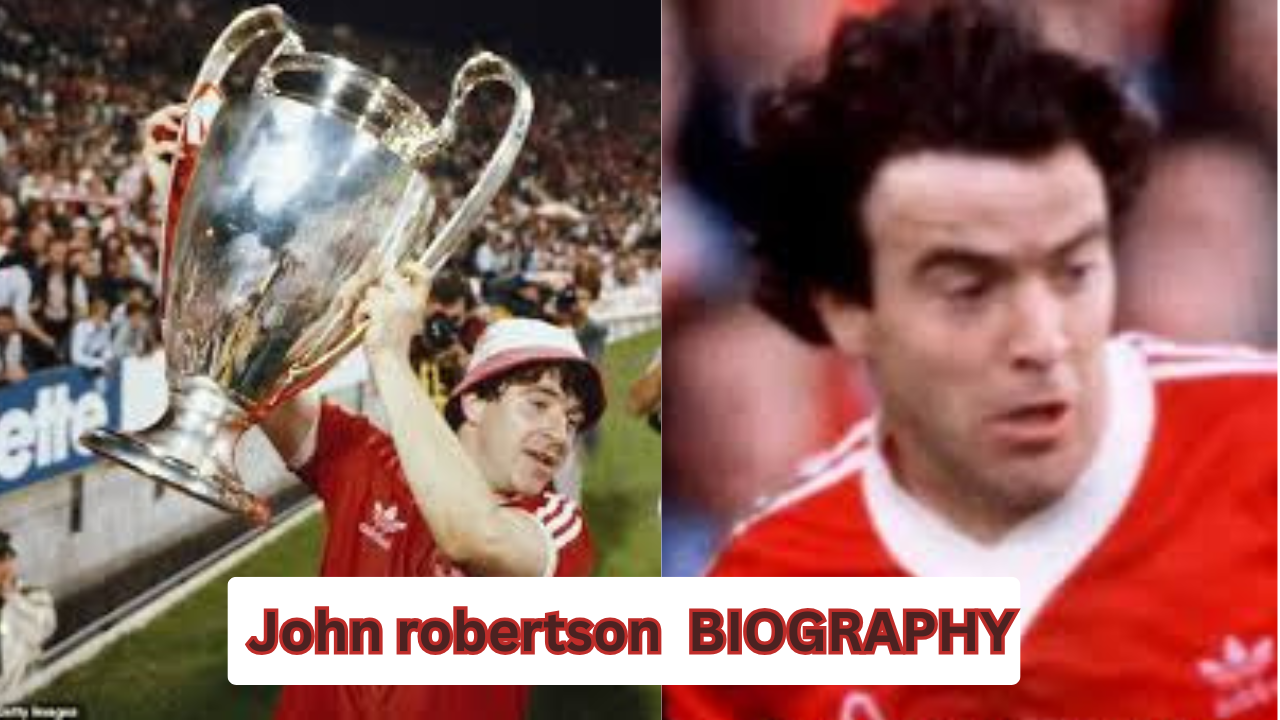
  • John Robertson Biography: The Life, Career, Family, and Cause of Death

    John Robertson Biography: The Life, Career, Family, and Cause of Death

    Biography

    John Neilson Robertson was born on January 20, 1953, in Viewpark, Lanarkshire, Scotland. Growing up in a working-class Scottish environment, football wasn’t just a game it was a language, a dream, and a possible way out. Like many boys of his generation, John kicked a ball around long before he ever imagined lifting European trophies.

    As a young player, Robertson represented Scotland at schoolboy and youth levels, showing early signs of intelligence and creativity on the ball. He also played for Drumchapel Amateurs, a famous breeding ground for Scottish talent. That’s where his journey took a serious turn.

    In May 1970, at just 17 years old, John Robertson signed for Nottingham Forest. At the time, no one not even Robertson himself could have predicted the role he would eventually play in one of football’s greatest underdog stories.

    His early years at Forest were quiet. He wasn’t an instant star. In fact, before legendary manager Brian Clough arrived, Robertson was close to being written off. He didn’t look like an athlete. He didn’t dominate physically. But Clough saw something others missed—a football brain, soft feet, and an ability to deliver the perfect ball at the perfect moment.

    That belief changed everything.

    Career

    Nottingham Forest: From Doubt to Immortality

    John Robertson’s career is inseparable from Nottingham Forest’s golden era. Under Brian Clough, Robertson transformed from a struggling midfielder into one of the most devastating left wingers in European football.

    From 1976 to 1980, Robertson played 243 consecutive matches a testament to his consistency and importance. He wasn’t about speed or tricks. Instead, he used timing, balance, and vision like a chess grandmaster planning three moves ahead.

    And then came the moments that made history.

    • 1979 European Cup Final: Robertson delivered the perfect cross for Trevor Francis, who scored the only goal. That assist won Nottingham Forest their first European Cup.
    • 1980 European Cup Final: One year later, Robertson went a step further—this time scoring the winning goal himself against Hamburg.

    Think about that for a second. In back-to-back European Cup finals, he either created or scored the decisive goal. That’s not luck. That’s legacy.

    During his time at Forest, Robertson helped the club win:

    • First Division title
    • Two League Cups
    • European Cup (twice)
    • UEFA Super Cup
    • FA Charity Shield
    • Anglo-Scottish Cup

    Brian Clough once described him as “the Picasso of our game.” Not because he was pretty—but because he created beauty from simplicity.

    Later Playing Years

    In 1983, Robertson moved to Derby County. The transfer strained relationships behind the scenes and, sadly, injuries limited his impact. He never quite rediscovered his Forest form.

    He returned briefly to Nottingham Forest in 1985, but the magic had faded. His playing career ended after short spells with Corby Town, Stamford, and Grantham Town.

    International Career

    John Robertson earned 28 caps for Scotland, scoring 8 goals. One of his most memorable moments came in 1981, when he scored the winning goal against England—a dream for any Scottish player.

    He also represented Scotland at the 1982 FIFA World Cup, scoring against New Zealand. Even on the international stage, Robertson delivered when it mattered.

    Coaching Career

    After hanging up his boots, Robertson moved into coaching. He became a trusted assistant to Martin O’Neill, another former Forest teammate.

    Together, they worked at:

    • Wycombe Wanderers
    • Norwich City
    • Leicester City
    • Celtic
    • Aston Villa

    Behind the scenes, Robertson played a key role in training, tactics, and player development. He wasn’t loud—but his football intelligence spoke volumes.

    Personal Life

    Away from football, John Robertson lived a relatively private life. Fame never seemed to interest him. Family did.

    One of the most emotional chapters of his life involved his daughter Jessica, who was born in 1983 with cerebral palsy. She was quadriplegic and unable to speak, with doctors predicting a very short life expectancy.

    John and his then-wife Sally devoted themselves to caring for her. In 1994, they pursued legal action against the hospital, believing medical negligence caused her condition. The case was heartbreaking and ultimately unsuccessful but it showed Robertson’s determination as a father.

    He later spoke openly about how this experience changed his perspective on life, football, and success. Trophies fade. Family doesn’t.

    Robertson also had another daughter, who appeared on the BBC quiz show “TNL: Who Dares Wins” in 2007—one of the few glimpses the public got into his family life.

    In 2012, he released his autobiography, Supertramp, offering fans a rare, honest look into his career, struggles, and triumphs.

    Family

    John Robertson came from a humble Scottish background and remained deeply connected to his roots throughout his life.

    Although football defined his public identity, his family defined his private one. His role as a father—especially in caring for a child with complex needs was something those close to him say he carried with quiet strength.

    Despite supporting Rangers as a boy, Robertson famously described his years at Celtic as a coach as “the best years of his life in football.” That ability to separate loyalty from love of the game showed his maturity and professionalism.

    To many former teammates, he was not just a legend—but a gentle, thoughtful presence in the dressing room.

    Cause of Death

    John Robertson passed away on December 25, 2025, at the age of 72.

    While no dramatic public details surrounded his death, it came after years of health concerns. In 2013, Robertson suffered a suspected heart attack while playing tennis with a former teammate. Though he recovered, it was a reminder that even football legends are human.

    His death on Christmas Day felt symbolic—quiet, reflective, and deeply emotional for fans across Scotland and England.

    Tributes poured in from:

    • Nottingham Forest supporters
    • Former teammates and managers
    • Scottish football fans
    • Clubs he served as a player and coach

    He wasn’t just remembered for goals and assists—but for intelligence, humility, and heart.

    Conclusion

    John Robertson’s story proves that greatness doesn’t always shout. Sometimes, it whispers. He didn’t look like a superstar, didn’t act like one, and never chased fame. Yet, when history needed a hero, he delivered—again and again.

    From European Cup finals to quiet coaching roles, from personal heartbreak to professional triumph, Robertson lived a life rich in meaning. He wasn’t just a footballer. He was an artist, a fighter, and above all, a human being.

    And that’s why his legacy will never fade.

    FAQs

    Who was John Robertson?
    John Robertson was a Scottish professional footballer best known for his legendary career at Nottingham Forest and his role in winning two European Cups.

    What position did John Robertson play?
    He played primarily as a left winger, known for his intelligence, crossing ability, and composure.

    How many European Cups did John Robertson win?
    He won two European Cups with Nottingham Forest in 1979 and 1980.

    What caused John Robertson’s death?
    John Robertson passed away on December 25, 2025, following long-term health issues, including a suspected heart attack in earlier years.

    Did John Robertson write an autobiography?
    Yes, he released his autobiography titled Supertramp in 2012, sharing insights into his football career and personal life.

    Read More…