Author: Peter

  • Béla Tarr Biography: Life, Career, Family, and Cause of Death

    Béla Tarr Biography: Life, Career, Family, and Cause of Death

    Biography

    Béla Tarr was one of the most important and influential filmmakers in modern European cinema. He was born on July 21, 1955, in Pécs, Hungary, and grew up in Budapest. From a very young age, Tarr was surrounded by art, performance, and storytelling. His parents both worked in the theatre and film world. His father, also named Béla Tarr, was a set designer, while his mother, Mari Tarr, worked for more than fifty years as a theatre prompter. This artistic environment shaped his thinking and helped him develop a deep interest in human behavior, time, and realism.

    As a child, Tarr was exposed to both literature and cinema. At the age of ten, he appeared in a television adaptation of Leo Tolstoy’s The Death of Ivan Ilyich, after his mother took him to a casting session. Although he never seriously pursued acting, this early experience gave him confidence around cameras and storytelling. When he turned fourteen, his father gave him an 8mm camera. This moment changed his life. Instead of seeing film as entertainment, Tarr began to see it as a way to observe reality.

    As a teenager, he formed a small filmmaking group with friends called Dziga Vertov, named after the famous Soviet filmmaker. Their amateur film Guest Workers won first prize at a local film festival. However, this success also brought him attention from communist authorities, who questioned him because of the film’s social themes. Tarr later applied to study philosophy at university, but he was rejected from all higher education institutions in Hungary at the time. As a result, he took on different jobs and focused fully on filmmaking.

    From the beginning, Béla Tarr believed cinema should show life honestly, without decoration or false hope. His biography is the story of a man who turned rejection and hardship into a unique artistic voice that later influenced filmmakers around the world.

    Career

    Béla Tarr began his professional career in the 1970s, first working on documentary-style projects. His early films focused on poor and working-class people living difficult lives in urban Hungary. These early works reflected strong social realism and were influenced by real locations and non-professional actors. This style became known as “social cinema,” and Tarr later described it as his attempt to tell the truth about everyday life.

    His first feature film, Family Nest (1979), was made with a very small budget and shot in just a few days. Despite its simplicity, the film received strong attention for its raw realism. It showed a young couple struggling to survive while living with relatives in a cramped apartment. This theme of human struggle would remain central throughout Tarr’s career.

    In the early 1980s, Tarr continued this style with films like The Outsider and The Prefab People. However, his artistic direction changed significantly after his television adaptation of Macbeth in 1982. This project used only two long shots, signaling his move toward long takes and slow pacing.

    A major turning point came when Tarr began working with Hungarian writer László Krasznahorkai. Together, they created Damnation (1988), a dark and atmospheric film that introduced the visual style Tarr would become famous for. This collaboration reached its peak with Sátántangó (1994), a seven-hour black-and-white film made up of long, slow shots. Although challenging for many viewers, the film is now considered one of the greatest films ever made and a cornerstone of “slow cinema.”

    Later films such as Werckmeister Harmonies (2000) and The Man from London (2007) continued to explore despair, chaos, and human isolation. His final feature film, The Turin Horse (2011), was widely praised and marked the end of his career as a feature film director. After its release, Tarr announced his retirement, saying he had said everything he wanted to say through cinema.

    Even after retirement, Tarr remained active in the arts. He founded an international film school called film.factory in Sarajevo, where he mentored young filmmakers from around the world. He also created large-scale installations and performance-based projects, proving that his creativity extended far beyond traditional filmmaking.

    Personal Life

    Béla Tarr was a deeply private person who preferred to express himself through art rather than public appearances. His personal life was closely tied to his work. For many years, he lived between Budapest and Sarajevo, especially after founding his film school. He believed in collective creation and often spoke against commercial cinema and profit-driven filmmaking.

    Tarr’s worldview was shaped by philosophy, literature, and lived experience. He often said that he did not believe in traditional storytelling or happy endings. His films reflected his belief that life is repetitive, slow, and often cruel. These ideas were not just artistic choices but reflections of his personal understanding of the world.

    He avoided social media and celebrity culture and focused instead on teaching, writing, and supporting human rights causes. In 2011, he publicly defended imprisoned filmmakers, showing his strong belief in artistic freedom and justice.

    Despite his serious public image, those close to him described him as warm, loyal, and deeply committed to his collaborators and students.

    Family

    Béla Tarr was born into a creative family. His father worked as a set designer, and his mother dedicated her life to theatre. His brother, György Tarr, became a painter, continuing the family’s artistic tradition. Art was not a profession in the Tarr household; it was a way of life.

    In his adult life, Tarr’s closest personal and professional relationship was with Ágnes Hranitzky. She was his life partner and creative partner for many years, working as a film editor and later as a co-director. Their collaboration played a major role in shaping the rhythm and structure of his films.

    Tarr did not publicly focus on marriage or children, choosing instead to build a family through long-term artistic collaboration. He often described his crew and students as part of his extended family. His relationships with writers, composers, actors, and cinematographers were based on trust and shared vision.

    Cause of Death

    Béla Tarr passed away on January 6, 2026, in Budapest, Hungary. He was 70 years old. His death came after a long and serious illness. While specific medical details were not widely shared, it was known that his health had been declining in his final years.

    News of his death spread quickly through the international film community. Filmmakers, critics, and students paid tribute to his influence and his uncompromising artistic vision. His passing marked the end of an era in world cinema, but his films continue to inspire new generations.

    Conclusion

    Béla Tarr was more than a filmmaker. He was a philosopher of cinema who challenged audiences to slow down, observe, and reflect on the human condition. His films rejected easy answers and forced viewers to confront silence, suffering, and time itself. Through a career built on honesty and artistic courage, Tarr reshaped modern cinema. His legacy lives on in his films, his students, and the many artists he inspired around the world.

    FAQs

    Who was Béla Tarr?
    Béla Tarr was a Hungarian filmmaker known for long takes, black-and-white films, and deep philosophical themes.

    What is Béla Tarr’s most famous film?
    His most famous film is Sátántangó (1994), which is considered a masterpiece of slow cinema.

    Was Béla Tarr married?
    He was not publicly known for marriage but had a long-term life and work partnership with editor and director Ágnes Hranitzky.

    How did Béla Tarr die?
    Béla Tarr died after a long and serious illness on January 6, 2026, in Budapest.

    Why did Béla Tarr retire from filmmaking?
    After The Turin Horse (2011), he said he had fully expressed his artistic vision and chose to focus on teaching and alternative art forms.
    See More…

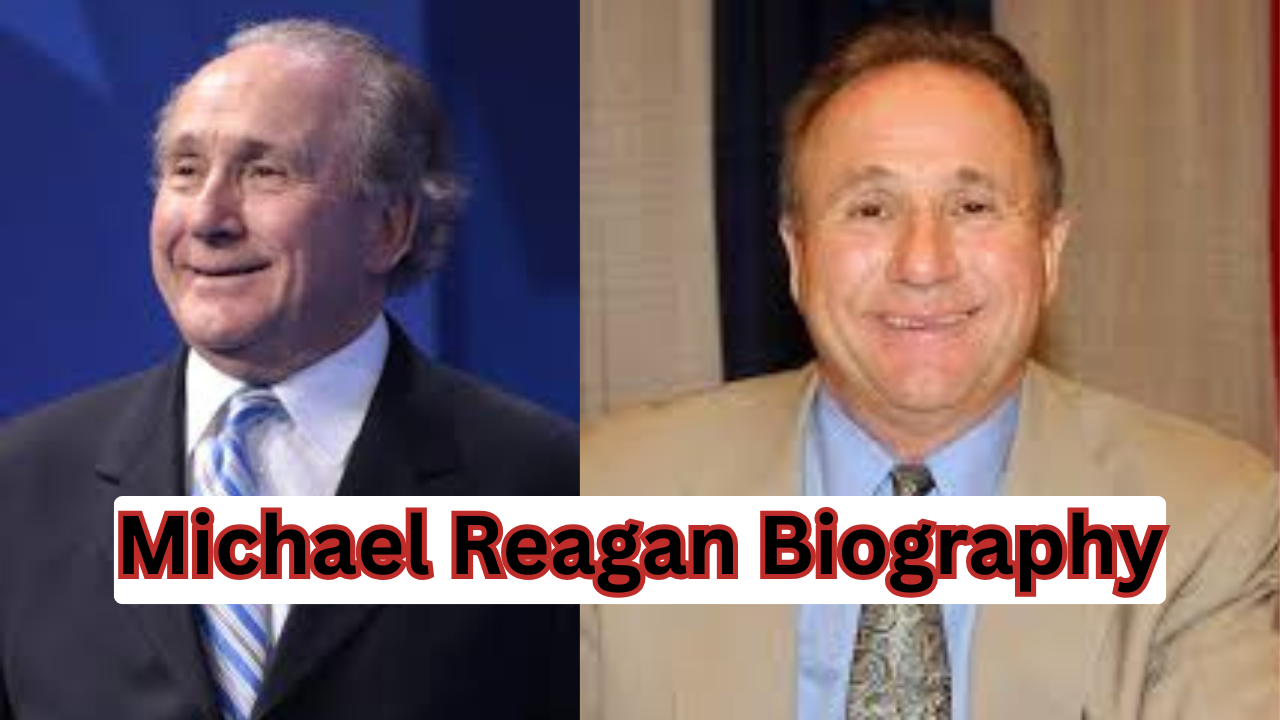
  • Michael Reagan Biography: Life, Career, Family, and Cause of Death

    Michael Reagan Biography: Life, Career, Family, and Cause of Death

    Biography

    Michael Edward Reagan, born John Charles Flaugher, was a well-known American conservative commentator, radio talk show host, and writer. He was born on March 18, 1945, in Los Angeles, California. His life story is closely connected to one of the most famous political families in American history because he was adopted shortly after birth by Ronald Reagan and Jane Wyman. Ronald Reagan later became the 40th President of the United States, while Jane Wyman was a respected Hollywood actress.

    Michael Reagan’s early life was complex and emotionally challenging. He was born to Essie Irene Flaugher, an unmarried woman from Kentucky, and his biological father was John Bourgholtzer, a U.S. Army corporal. Soon after his birth, he was adopted by Ronald Reagan and Jane Wyman, who gave him the name Michael Edward Reagan. Although adoption placed him in a famous and privileged household, Michael later spoke openly about feelings of rejection and emotional distance, especially after his adoptive parents divorced.

    Growing up, Michael Reagan struggled with discipline and direction. He attended Loyola High School in Los Angeles but was expelled. He later graduated in 1964 from the Judson School, a boarding school near Scottsdale, Arizona. He briefly attended Arizona State University and later Los Angeles Valley College, but he did not complete a college degree. These early struggles shaped much of his outlook on life and became a central theme in his later writings and speeches.

    Despite personal challenges, Michael Reagan grew into a public figure who strongly defended his adoptive father’s legacy. He spent much of his adult life explaining, promoting, and protecting Ronald Reagan’s political philosophy. Over time, he became a recognizable conservative voice in American media and politics.

    Career

    Michael Reagan’s career path was not direct or easy. Before becoming a media personality, he worked in several different fields. In the late 1960s and early 1970s, he worked as a salesman for the clothing company Hart, Schaffner, & Marx. He later held a position as director of special events catering at Michaelson Food Service Company in Los Angeles. These early jobs helped him develop communication and business skills.

    In the early 1980s, Reagan worked as a salesman for Industrial Circuits, a circuit board company. Around this period, he also explored opportunities in entertainment. Beginning in 1985, he appeared in small acting roles in television and film, including a role on Falcon Crest, a popular series starring his adoptive mother Jane Wyman. While his acting career was brief, it helped him gain public exposure.

    Michael Reagan found his strongest professional voice in radio. He began as a guest host on talk radio shows in Southern California, including KABC in Los Angeles. His clear opinions and strong conservative tone quickly gained attention. He later hosted radio programs in San Diego and eventually launched The Michael Reagan Show, which was syndicated nationwide for many years. Through radio, he became known for his sharp political commentary and defense of Republican values.

    In addition to radio, Reagan worked as a writer and columnist. He became a regular contributor to Newsmax, where he wrote political columns on conservative topics. He also authored books that explored his personal life and beliefs. His autobiography, Michael Reagan: On the Outside Looking In, gave readers insight into his struggles with identity and belonging. In 2005, he published Twice Adopted, where he discussed adoption, faith, and his journey to becoming a born-again Christian.

    Politically, Michael Reagan was outspoken and often controversial. He opposed same-sex marriage, supported profiling in national security discussions, and strongly defended conservative moral values. Although he initially opposed Donald Trump in 2016, he later supported Trump in the 2020 and 2024 elections. His political commentary kept him relevant and influential within conservative circles for decades.

    Personal Life

    Michael Reagan’s personal life reflected both stability and conflict. In 1971, he married Pamela Gail Putnam, the daughter of a professional football coach. The marriage ended in divorce just one year later. In 1975, he married Colleen Sterns, an interior decorator. This second marriage proved lasting and supportive. Together, they raised two children, Cameron and Ashley.

    Reagan lived with his wife in the Toluca Lake area of Los Angeles, close to where his famous parents once lived. Family relationships remained a sensitive topic for him. He was often vocal about disagreements with his siblings, especially his adoptive brother Ron Reagan, whose political views were more liberal. Michael openly criticized Ron for publicly discussing their father’s Alzheimer’s disease, which he believed disrespected Ronald Reagan’s legacy.

    Faith played an important role in Michael Reagan’s personal life. He became a born-again Christian and frequently spoke about how religion helped him overcome feelings of rejection and anger. His faith influenced his conservative views on family, marriage, and morality.

    Despite legal and financial challenges over the years, Reagan remained active in media and public speaking until his later years. His personal life was marked by honesty, emotional openness, and a strong desire to be understood beyond his famous last name.

    Family

    Michael Reagan’s family background was unique and widely known. He was the adopted son of Ronald Reagan and Jane Wyman, two major public figures. He had an adoptive sister, Maureen Reagan, with whom he shared similar conservative values. He also had two half-siblings, Patti Davis and Ron Reagan, from Ronald Reagan’s second marriage to Nancy Reagan.

    Among Ronald Reagan’s children, Michael and Maureen were the most politically aligned with their father. This connection strengthened Michael’s role as a defender of Ronald Reagan’s legacy. Nancy Reagan, his stepmother, also played a role in his life, although their relationship was sometimes described as distant.

    Michael Reagan’s own family, including his wife Colleen and their two children, remained mostly private. He often spoke about the importance of family unity, even though his own experiences were complicated. His family life reflected both the pain and strength that came from adoption, fame, and public scrutiny.

    Cause of Death

    Michael Reagan passed away on January 4, 2026, in Los Angeles, California. He was 80 years old at the time of his death. His passing was caused by cancer, after a period of illness that was largely kept private. News of his death was reported two days later and quickly spread across major media outlets.

    Tributes followed from conservative leaders, media personalities, and supporters who remembered him as a passionate voice for conservative values and a devoted son of Ronald Reagan. His death marked the end of a long career in political commentary and public life.

    Conclusion

    Michael Reagan lived a life shaped by adoption, fame, struggle, and conviction. As the adopted son of President Ronald Reagan, he carried both the benefits and burdens of a famous name. Through radio, writing, and public speaking, he built his own identity as a conservative commentator and defender of traditional values. His life was not without controversy, but it was always driven by belief, faith, and loyalty to his principles. Michael Reagan’s story remains an important chapter in the broader history of American political families.

    FAQs

    Who was Michael Reagan?
    Michael Reagan was an American conservative commentator, radio talk show host, and writer. He was the adopted son of President Ronald Reagan.

    What was Michael Reagan known for?
    He was known for his conservative political views, radio programs, Newsmax columns, and strong defense of his father’s legacy.

    Was Michael Reagan biologically related to Ronald Reagan?
    No, he was adopted shortly after birth by Ronald Reagan and Jane Wyman.

    How did Michael Reagan die?
    Michael Reagan died from cancer on January 4, 2026, in Los Angeles.

    Did Michael Reagan have children?
    Yes, he had two children, Cameron and Ashley, with his wife Colleen Sterns.

    See More…

  • Doug LaMalfa Biography: Cause of Death, Life, Career, Family, Business

    Doug LaMalfa Biography: Cause of Death, Life, Career, Family, Business

    Biography

    Douglas Lee LaMalfa, widely known as Doug LaMalfa, was an American politician, farmer, and businessman whose life reflected deep roots in rural California and a long commitment to public service. He was born on July 2, 1960, in Oroville, California, a small agricultural community that shaped his values, worldview, and future career. From an early age, LaMalfa was surrounded by farming culture, hard work, and a strong sense of responsibility to family and community. These early influences followed him throughout his life and later became central themes in his political identity.

    LaMalfa grew up in a multigenerational farming family. He attended Biggs High School, graduating in 1978. After high school, he pursued higher education with a focus on agriculture and business. He studied at Butte College before transferring to California Polytechnic State University in San Luis Obispo, where he earned a Bachelor of Science degree in Agricultural Business in 1982. This academic background prepared him for managing complex agricultural operations and later helped him understand policy issues affecting farmers and rural economies.

    As a fourth-generation rice farmer, Doug LaMalfa was not just connected to agriculture in theory but in daily practice. Farming was more than a job to him; it was a way of life. This deep connection to the land helped him build trust among rural voters who saw him as someone who truly understood their struggles. Over time, his reputation as a practical, hardworking farmer became the foundation of his public image.

    LaMalfa’s life journey was marked by a steady rise from local farming to state politics and finally to national leadership. His biography is not just the story of a politician but of a man who carried his rural upbringing into the halls of government, believing that common sense, tradition, and discipline could guide public policy.

    Career

    Doug LaMalfa’s political career began in the early 2000s, when he decided to seek public office to represent the interests of Northern California. In 2002, he ran for the California State Assembly in the 2nd district. His campaign focused on conservative values, public safety, and support for agriculture. He won the Republican primary and later secured a strong victory in the general election. Voters responded to his straightforward style and local roots.

    During his time in the California State Assembly from 2002 to 2008, LaMalfa became known for his firm conservative positions. He supported legislation that protected gun ownership rights, opposed affirmative action policies, and took strong stances on social issues. One of his most notable achievements during this period was helping pass a law that prevented the seizure of firearms during emergencies or natural disasters. This law was widely praised by gun rights supporters and earned him recognition from firearms advocacy groups.

    After leaving the Assembly, LaMalfa continued his political journey by running for the California State Senate in 2010. He won the election convincingly and served from 2010 to 2012. In the Senate, he focused on fiscal responsibility, water management, and opposition to high-speed rail projects, which he believed were too costly for the state. His views often aligned with rural voters who felt overlooked by urban-centered policies.

    In 2012, Doug LaMalfa made the transition to national politics. He ran for the U.S. House of Representatives for California’s 1st congressional district, a vast rural area covering much of interior Northern California. He won the election and began serving in Congress in January 2013. From that point until his death in 2026, LaMalfa remained a consistent presence in the House.

    As a congressman, LaMalfa served on key committees, including Agriculture, Natural Resources, and Transportation and Infrastructure. He became especially influential on agricultural and water-related issues, often advocating for farmers, ranchers, and rural communities. His voting record reflected strong conservative principles, including opposition to abortion rights, skepticism about climate change policies, and support for lower taxes.

    LaMalfa was also known for his loyalty to the Republican Party and former President Donald Trump. He opposed Trump’s impeachment and questioned the results of the 2020 presidential election. While these positions brought criticism from some quarters, his supporters viewed him as a politician who stood firm in his beliefs regardless of public pressure.

    Personal Life

    Beyond politics, Doug LaMalfa lived a life centered on family, faith, and work. He was married to his wife, Jill, and together they raised four children. Family was a central part of his identity, and he often spoke about the importance of traditional values, personal responsibility, and faith. He identified as a Protestant and openly discussed how his religious beliefs influenced his views on marriage, education, and morality.

    LaMalfa balanced his demanding political career with his responsibilities as a farmer and family man. Even while serving in Congress, he maintained close ties to his home community. He traveled weekly from California to Washington, D.C., a routine that reflected his commitment to both his constituents and his duties in Congress.

    Those who knew him personally often described him as approachable and practical. Despite holding strong political views, he was known for being willing to speak with colleagues across party lines, especially on issues related to agriculture and rural development. His personal life showed a man who valued stability, tradition, and long-term commitment.

    Family

    The LaMalfa family history is deeply tied to agriculture in California. Doug LaMalfa came from a long line of rice farmers, and this heritage played a major role in shaping his worldview. His parents and extended family were part of the farming community in Richvale, California, where the family business operated for generations.

    His wife Jill and their four children were often kept out of the political spotlight, reflecting LaMalfa’s desire to protect his family’s privacy. Still, he frequently spoke about how his role as a husband and father influenced his decisions. He believed that government policies should support families, small businesses, and local communities.

    The LaMalfa family partnership was not only a business but a symbol of continuity. Doug LaMalfa saw his family’s farming legacy as something to preserve and pass on, much like the values he tried to promote in public office.

    Business

    In addition to his political work, Doug LaMalfa was an experienced businessman. He was the owner and manager of the DSL LaMalfa Family Partnership, which operated a large rice farm in Richvale, California. This business background gave him firsthand knowledge of the challenges faced by farmers, including water shortages, government regulations, and market pressures.

    His business experience became both a strength and a source of controversy. As a member of the House Agriculture Committee, LaMalfa was involved in shaping farm policy while also benefiting from agricultural subsidies in earlier years. Supporters argued that his experience made him well qualified to oversee agricultural policy. Critics, however, raised concerns about potential conflicts of interest.

    Despite these debates, LaMalfa consistently argued that his goal was to create fair and sustainable policies for all farmers, not just his own operation. His business life and political career were closely connected, each informing the other.

    Cause of Death

    Doug LaMalfa’s life came to an end in early 2026. On January 5, 2026, he suffered a sudden medical emergency at his home in Richvale, California. He was quickly transported to a hospital in Chico, where doctors determined that he had experienced an aortic aneurysm, a serious and life-threatening condition.

    Emergency surgery was performed in an effort to save his life. Sadly, during the procedure, LaMalfa suffered a heart attack. He passed away at 3:20 a.m. on January 6, 2026, at the age of 65. His death marked the end of a long political career and left his congressional seat vacant.

    News of his passing was met with reactions from across the political spectrum. Supporters praised his dedication to public service and rural America, while colleagues acknowledged his long years of service and strong convictions.

    Conclusion

    Doug LaMalfa’s life story is one of continuity, conviction, and commitment. From his early days as a rice farmer to his years in Congress, he remained closely tied to his roots in Northern California. His career reflected strong conservative beliefs, a focus on agriculture and rural issues, and a willingness to stand firm on controversial topics. While his positions often sparked debate, there is no doubt that he left a lasting mark on the communities he represented. His legacy continues through his family, his work, and the policies he championed throughout his life.

    FAQs

    Who was Doug LaMalfa?
    Doug LaMalfa was an American politician and farmer who served as a U.S. Representative for California’s 1st congressional district from 2013 until his death in 2026.

    What was Doug LaMalfa known for?
    He was known for his conservative political views, strong support for agriculture, opposition to abortion rights, and advocacy for rural communities.

    What business did Doug LaMalfa own?
    He owned and managed a family rice farming business in Richvale, California, operated through the DSL LaMalfa Family Partnership.

    How did Doug LaMalfa die?
    He died from a heart attack during emergency surgery for an aortic aneurysm in January 2026.

    Was Doug LaMalfa married with children?
    Yes, he was married to his wife Jill, and they had four children together.

    See More…

  • Adlee Scheerer Biography: Life, Career, Personal Life, and Cause of Death

    Adlee Scheerer Biography: Life, Career, Personal Life, and Cause of Death

    Biography

    Adlee Scheerer was known first and foremost for his heart. Those who spoke about him did not begin with titles or accolades; they began with his smile, his warmth, and the way he lifted the spirits of everyone around him. He was a member of the Markle Fire Department and served as a fire cadet, a role that speaks volumes about both his character and his aspirations. Fire cadets are not passive observers. They are learners, helpers, and future protectors—individuals willing to step into demanding environments out of a desire to serve something greater than themselves.

    From what has been publicly shared, Adlee embodied that calling with sincerity. He was described as an incredible firefighter in spirit, even at a young or formative stage of his service. That description matters. It suggests dedication, discipline, and a seriousness of purpose that went beyond simply wearing the uniform. Like a lighthouse still under construction, Adlee was already guiding others before his own journey could fully unfold.

    Those who knew him spoke of a young man who brought light into every room. That metaphor was not chosen casually. Light suggests hope, reassurance, and clarity—qualities especially meaningful in emergency services, where fear and uncertainty often dominate the moment. Adlee’s presence offered calm. His smile disarmed tension. His warmth reminded others that even in the hardest moments, humanity still matters.

    While many personal details about Adlee’s early life remain private, what is clear is that he was deeply rooted in his community. He cared not only about responding to emergencies, but about the people behind the calls. Friends, colleagues, and community members remember him as someone who listened, laughed, and showed up when it mattered. In a world that often celebrates loud achievements, Adlee’s legacy rests in quieter virtues—kindness, loyalty, and genuine concern for others.

    Career and Service with the Markle Fire Department

    Adlee Scheerer’s career, though tragically brief, was already defined by service. As a Markle Fire Cadet, he was part of a proud tradition of training, mentorship, and readiness. Fire cadet programs are designed to shape future firefighters by instilling technical knowledge, teamwork, and ethical responsibility. They demand discipline, physical endurance, and emotional resilience. Adlee embraced those demands willingly.

    Colleagues described him not just as capable, but as uplifting. That distinction is important. Many can learn procedures; fewer can raise morale. Adlee had a natural ability to bring people together, to make long training days lighter and difficult moments more bearable. Like a steady hand on a shoulder during a crisis, his presence reassured those around him.

    The fire service is more than a career path—it is a family. Within that family, Adlee was clearly cherished. The public statement from the Markle Fire Department reflected not only grief, but pride. Pride in who Adlee was, how he served, and the spirit he brought to the department. When they said, “We will take it from here,” it was more than a farewell. It was a promise—to carry forward the values Adlee lived by.

    Though he may not have had decades on the job, Adlee’s impact was already deeply felt. Some people spend a lifetime trying to matter. Adlee mattered quickly, authentically, and without pretense.

    Cause of Death

    The death of Adlee Scheerer was sudden and devastating. At the time of public statements, the specific cause of death had not been formally disclosed. What has been confirmed is that his life was taken far too soon, leaving his family, friends, and fellow firefighters in profound grief.

    In responsible biography writing, silence matters as much as speech. When details are not publicly released, respecting that boundary is essential. What can be said with certainty is that Adlee’s passing was unexpected and deeply painful for those who loved him. The language used by his department and community reflects shock, heartbreak, and a collective sense of loss.

    Sometimes, the absence of details speaks volumes. It reminds us that behind every public loss is a private family navigating unimaginable pain. In honoring Adlee, it is enough to acknowledge the tragedy without intruding on grief that does not belong to the public sphere.

    What remains clear is that his death was not just the loss of a firefighter, but the loss of a future—a future of continued service, leadership, and connection that will now live on only in memory.

    Personal Life and Character

    If Adlee Scheerer’s service defined his public role, his character defined his soul. Those who spoke about him consistently returned to the same themes: kindness, warmth, humor, and sincerity. He was the kind of person who made others feel comfortable simply by being himself. In a sense, he was emotional first aid—quietly helping people breathe easier just by being near.

    Adlee cared deeply for his friends. He offered strength without being asked, laughter without conditions, and a listening ear without judgment. These are not small things. In many ways, they are the hardest things to give consistently. Like a bridge built without fanfare, Adlee connected people to one another, often without realizing how much he was holding together.

    Family mattered deeply to him, though specific details remain private out of respect. What is evident is that his family was, and remains, surrounded by community support. The call for prayers extended not only to his loved ones, but to the entire Markle Fire Department—a testament to how intertwined Adlee’s personal and professional worlds had become.

    In life, Adlee did not seek the spotlight. Yet in death, his light became undeniable. Stories shared by those who knew him paint a picture of someone who lived with intention, even if he never used that word himself. He showed up. He cared. He smiled. And sometimes, that is the most heroic thing a person can do.

    Legacy and Community Impact

    What does it mean to leave a legacy when life ends too soon? For Adlee Scheerer, the answer lies not in length of years, but in depth of impact. His legacy lives in the culture of the Markle Fire Department, in the friendships he nurtured, and in the countless moments where his presence made someone’s day a little easier.

    Firefighters often say they are willing to run toward danger while others run away. Adlee was already doing that—not just physically, but emotionally. He leaned into responsibility. He leaned into people. And now, those people carry him forward.

    The words shared by his department were not formal or distant. They were personal. They spoke of brotherhood, of shared grief, and of collective resolve. In that sense, Adlee continues to serve. His memory strengthens the bonds of the department and reminds everyone why they chose this path in the first place.

    Like a star that burns out too soon but still lights the night sky, Adlee Scheerer’s influence did not end with his passing. It echoes—in stories told, in lessons remembered, and in a smile that will never be forgotten.

    Conclusion

    Adlee Scheerer’s life reminds us that significance is not measured in years, but in love, service, and sincerity. He was a fire cadet, a friend, a source of light, and a symbol of what it means to care deeply for one’s community. Though his journey ended far too soon, his impact remains enduring.

    In remembering Adlee, we are invited to reflect on our own lives. Are we showing up for others? Are we bringing light where it is needed most? If even a fraction of Adlee’s spirit lives on in those he inspired, then his life—short as it was—was profoundly meaningful.

    FAQs

    Who was Adlee Scheerer?
    Adlee Scheerer was a Markle Fire Cadet remembered for his kindness, dedication to service, and uplifting presence within his community and fire department.

    What was Adlee Scheerer known for?
    He was known for his warm personality, genuine care for others, and commitment to serving his community through the Markle Fire Department.

    What was the cause of Adlee Scheerer’s death?
    As of publicly available information, the specific cause of death has not been officially disclosed. It has been confirmed that his passing was sudden and occurred far too soon.

    Was Adlee Scheerer a firefighter?
    Adlee served as a fire cadet with the Markle Fire Department, actively training and contributing in preparation for a future career in firefighting.

    How is Adlee Scheerer remembered today?
    He is remembered as a kind, courageous, and uplifting individual whose smile, service, and heart left a lasting impression on everyone who knew him..

    See More…

  • Jayne Trcka Biography: Cause of Death, Life, Career, Personal Life

    Jayne Trcka Biography: Cause of Death, Life, Career, Personal Life

    Biography

    Some people arrive in the world quietly, only to later remake themselves with such force that their second act eclipses the first. Jayne Marie Trcka belonged to that rare category. Her life was not a straight line but a series of reinventions, each one forged through discipline, resilience, and an almost defiant refusal to accept limits placed on women’s bodies, strength, or ambition.

    Born on February 27, 1963, in Saint Paul, Minnesota, Jayne Trcka grew up far from the palm trees, gyms, and casting calls that would later define her public identity. Her early years unfolded in the American Midwest, a place where winter teaches endurance and routine teaches patience. From a young age, Jayne gravitated toward movement. She studied gymnastics and participated in multiple sports during her school years, developing coordination, balance, and body awareness long before she ever touched a barbell.

    Yet no one looking at the teenage Jayne Trcka could have predicted the sculpted physique and commanding presence that would later make her a recognizable figure in bodybuilding, fitness modeling, and film. At that stage, she was still forming, both physically and internally, like clay waiting for the hands that would shape it.

    A pivotal shift came in 1986, when Jayne moved to Southern California. The relocation was more than geographic. It was symbolic. Minnesota had given her roots; California offered reinvention. Surrounded by a culture that celebrated fitness, performance, and transformation, Jayne discovered weight training. What began as curiosity soon became commitment. Iron did not intimidate her. It spoke a language she understood.

    By the late 1980s, she was no longer simply training. She was competing.

    Career

    Jayne Trcka’s professional life reads like a testament to persistence rather than overnight success. She did not burst onto the bodybuilding scene with instant fame. Instead, she climbed slowly, deliberately, rep by rep, show by show, year by year.

    By 1988, Jayne was actively competing in bodybuilding competitions. The sport at the time was still negotiating how muscular a woman was “allowed” to be. Lines were constantly shifting, and criticism often followed female athletes who dared to cross invisible boundaries. Jayne did not ask permission. She built the body she believed in, not the one others felt comfortable applauding.

    For much of the 1990s, Jayne balanced her athletic ambitions with steady employment. She worked for the United States Postal Service, a job known for its routine and reliability. To outsiders, it might have seemed like an unlikely pairing: federal employment by day, bodybuilding stages by night. But to Jayne, it was simply another form of endurance. The same discipline that carried her through long shifts carried her through grueling training cycles.

    In 1997, at the age of 34, she claimed first place at the California State Championships. The victory was significant not just because of the title, but because of its timing. In a culture obsessed with youth, Jayne was proving that strength did not expire at 30. She followed that success with another major win at the 1998 Junior Nationals, cementing her status as a serious competitor rather than a passing presence.

    That same year, Jayne made a decisive move. She left her job with the postal service to pursue fitness full-time. It was a leap of faith, the kind that demands belief not just in talent, but in work ethic. She became a certified personal trainer, turning her knowledge into mentorship and her experience into guidance for others seeking transformation.

    Jayne continued to compete throughout the early 2000s, achieving top-ten finishes in more than twenty bodybuilding competitions. In 2004, she claimed victory at the Los Angeles competition, adding another milestone to an already decorated career. Each appearance reinforced her reputation as an athlete who combined symmetry, conditioning, and presence with unmistakable confidence.

    But Jayne’s ambitions did not stop at the stage.

    Acting and Media Presence

    In 2000, Jayne Trcka stepped into a new arena: film. She made her acting debut in Scary Movie, a pop-culture juggernaut that introduced her to audiences far beyond the bodybuilding world. For some athletes, acting roles feel like side quests. For Jayne, they were extensions of her evolving identity.

    She continued to pursue acting alongside her fitness career, appearing in roles that often capitalized on her powerful physique. Yet she resisted being reduced to a single archetype. Whether on screen or in photoshoots, she projected control rather than novelty. Her body was not a gimmick. It was a statement.

    Jayne also became a familiar face in the pages of major muscle and fitness publications. She appeared in Flex, MuscleMag International, Women’s Physique World, Iron Man, and Fighting Females, among others. Each magazine spread was more than exposure; it was representation. In a media landscape that often struggled to know what to do with strong women, Jayne stood unapologetically visible.

    Her physique became both shield and spotlight. Like armor forged from discipline, it protected her self-belief while drawing attention she neither chased nor avoided.

    Life Beyond the Gym

    Jayne Trcka was not a woman content to live inside a single identity. Even as she remained active in fitness and acting, she continued to evolve professionally. In June 2023, she was working as a realtor with Realty Source California, demonstrating once again that reinvention was not a phase but a principle.

    This transition surprised some fans, but for those who understood Jayne, it made perfect sense. She had never believed in being boxed in. Just as she once stepped away from federal employment to chase fitness, she later stepped into real estate with the same focus and professionalism.

    Her life was a mosaic rather than a straight road. Athlete. Actress. Trainer. Realtor. Each role added texture, not contradiction.

    Personal Life

    Jayne Trcka was intensely private, especially regarding her personal relationships. Unlike many public figures, she did not turn her private life into content. She allowed her work to speak louder than her circumstances.

    Those who knew her describe a woman who was disciplined but warm, driven yet approachable. The same focus that shaped her training also shaped her daily life. She valued structure, commitment, and follow-through. Promises mattered. Effort mattered.

    Outside the spotlight, Jayne lived much like she trained: intentionally. Whether in the gym, on set, or navigating a new career path, she approached life as a series of deliberate choices rather than reactions. If life was a weight, she believed it could be lifted with enough preparation.

    Cause of Death

    Jayne Trcka died on December 12, 2025, in San Diego, California. She was 62 years old.

    At the time of her passing, no public cause of death was disclosed. In the absence of confirmed details, speculation serves no purpose and honors no legacy. What is known, and what matters, is that her death marked the end of a life defined by resilience, transformation, and self-determination.

    In fitness culture, there is a saying that the body remembers every rep. Perhaps legacy works the same way. Every disciplined choice, every boundary challenged, every version of herself Jayne dared to become remains part of what she leaves behind.

    Legacy

    Jayne Trcka’s legacy does not rest solely on trophies or film credits. It lives in the broader conversation she helped shape about women, strength, and aging. She stood as proof that physical power and femininity are not opposites, that reinvention does not expire, and that identity can be layered without losing coherence.

    She did not ask the world to redefine strength. She simply embodied it, and in doing so, forced the definition to expand.

    Like steel tempered by heat, Jayne Trcka emerged stronger with each phase of her life. Her story reminds us that transformation is not a single moment but a lifelong practice.

    Conclusion

    Jayne Trcka lived a life of deliberate evolution. From a gymnast in Minnesota to a champion bodybuilder, from a postal worker to a personal trainer, from a fitness icon to an actress and realtor, she refused to stand still. Her journey was not loud, but it was unmistakable. In a world quick to label and limit, Jayne Trcka chose growth instead. And that choice, repeated over decades, became her most enduring legacy.

    FAQs

    Who was Jayne Trcka?

    Jayne Trcka was an American bodybuilder, fitness model, actress, and certified personal trainer known for her competitive success and media presence in muscle and fitness culture.

    When and where was Jayne Trcka born?

    She was born on February 27, 1963, in Saint Paul, Minnesota, United States.

    What were Jayne Trcka’s biggest bodybuilding achievements?

    Her major wins include first place at the 1997 California State Championships, the 1998 Junior Nationals, and a victory at the 2004 Los Angeles competition, along with numerous top-ten finishes.

    Did Jayne Trcka act in films?

    Yes. She began her acting career in 2000 with Scary Movie and continued pursuing acting alongside her fitness career.

    What was the cause of Jayne Trcka’s death?

    Jayne Trcka passed away on December 12, 2025, at the age of 62. No publicly confirmed cause of death has been disclosed.

    See More…

  • Phoenix Spicer Biography: Cause of Death, Life, Career, Personal Life

    Phoenix Spicer Biography: Cause of Death, Life, Career, Personal Life

    Biography

    Some lives move like comets across the sky. They appear suddenly, burn brightly, and disappear far too soon, leaving behind a trail of light that lingers long after the moment has passed. Phoenix Spicer’s life followed that heartbreaking arc. At just 23 years old, his journey through Australian rules football, culture, and community came to an abrupt end, shocking teammates, fans, and the wider sporting world.

    Born on 30 January 2002 in Gove, in Australia’s Northern Territory, Phoenix Spicer entered the world already surrounded by movement. His early years were shaped by constant relocation, living in places such as Adelaide, Numbulwar, and Darwin before finally settling permanently in Adelaide at the age of ten. That early instability did not weaken him. Instead, it seemed to sharpen his adaptability, like a river carving strength through change rather than resisting it.

    As a proud Nunggubuyu man, Phoenix carried culture not as a label but as a living presence. It followed him onto the football field, into the locker room, and through every stage of his personal development. Those who knew him speak of a young man who balanced quiet humility with explosive athleticism, a contrast that mirrored his playing style: understated off the ball, electric when it mattered.

    When Phoenix moved to Adelaide to live with his grandfather, life briefly found an anchor. His grandfather became a stabilising force, a compass during formative years when talent alone is never enough. The loss of his grandfather during Phoenix’s teenage years marked a profound emotional turning point. Grief forced maturity early, and soon after, Phoenix moved in with a host family who supported his football ambitions and education.

    He attended Hamilton Secondary College before transferring to Henley High School, a move driven by opportunity rather than comfort. It was a pattern that repeated throughout his life. Phoenix was never afraid of discomfort if it meant growth. Like a young footballer chasing a loose ball into traffic, he committed fully, even when the path was uncertain.

    Career

    Phoenix Spicer’s football career was a study in speed, resilience, and unfinished promise. He began his junior football journey with the Edwardstown Football Club before later playing for Morphettville Park. Even then, his raw pace stood out. Coaches noticed it. Opponents feared it. Recruiters began to circle.

    A pivotal moment came when Phoenix was invited to trial with West Adelaide’s under-16s side. The opportunity was tempting, but the logistical burden of long travel proved impractical. Instead, his host family guided him toward South Adelaide, a decision that would quietly shape his future. At South Adelaide, Phoenix found not only opportunity but belief.

    During his time in South Adelaide’s under-18s system, Phoenix recorded the fastest agility test time of any player in 2019. That statistic was more than a number. It was a signal flare to AFL recruiters. Several clubs expressed interest, recognising a player whose acceleration could split games open like lightning across a dark sky.

    Just as momentum began to build, adversity struck. A broken arm disrupted his 2020 season, halting the rhythm so crucial to young athletes on the cusp of professional selection. For many, that setback might have ended the conversation. For Phoenix, it merely delayed it.

    In the 2020 AFL Draft, North Melbourne selected Phoenix Spicer with pick number 42. The moment represented validation, not just of talent, but of perseverance. Draft night is often described as a door opening. For Phoenix, it felt more like a gate swinging wide after years of pushing.

    He made his AFL debut on 22 August 2021 against Adelaide at Adelaide Oval. Though North Melbourne lost, Phoenix gathered seven disposals, showing flashes of the speed and instinct that had carried him this far. Yet professional sport is rarely linear. Hamstring injuries plagued his early AFL years, limiting him to one appearance in his debut season and five games late in the 2022 season.

    Despite limited opportunities, Phoenix left his mark in ways that transcended statistics. In 2023, he played a meaningful role in the design of North Melbourne’s Sir Doug Nicholls Round guernsey titled “Connecting Through Identity.” The guernsey featured totems representing First Nations players, with a barramundi symbol chosen to represent Phoenix. It was more than symbolism. It was recognition.

    At the conclusion of the 2023 season, Phoenix was delisted after 12 AFL matches. Delisting is often described as a door slamming shut. But for Phoenix, it became a window instead.

    Post-AFL Career

    After leaving North Melbourne, Phoenix returned north to play for Darwin in the NTFL summer season. It was a homecoming of sorts, reconnecting with place, people, and purpose. Football at that level stripped away the noise and returned him to the essence of the game.

    In 2024, Phoenix joined Footscray, the Western Bulldogs’ reserves side, competing in the Victorian Football League. Over two seasons, he played 18 VFL matches, re-establishing himself as a dangerous small midfielder-forward with elite pace. His form earned him selection in the VFL state squad for matches against the SANFL in both 2024 and 2025.

    He nominated for the 2025 mid-season rookie draft, hoping for another AFL chance. When his name was not called, he did not retreat. Instead, he remained present, professional, and committed. He was named an emergency for Footscray in the 2025 VFL Grand Final, standing on the edge of triumph even without stepping onto the field.

    Ahead of the 2026 season, Phoenix signed with Hoppers Crossing in the Western Region Football League. It was a fresh chapter, another reinvention. Few knew it would be his last.

    Personal Life

    Away from the scoreboard and selection tables, Phoenix Spicer was deeply relational. He was a partner, a brother, an uncle, and a son. To those closest to him, football was only one chapter of who he was.

    His partner, Ky-ya Nicholson Ward, and her family described Phoenix as loyal, gentle, and strong in ways that extended far beyond physicality. He was affectionately known as a second dad to Jordy, embracing responsibility with pride rather than obligation.

    Friends recall a young man who laughed easily, listened deeply, and carried himself with quiet respect. He was not performative. He did not need to dominate a room. Like a steady drumbeat beneath a song, his presence grounded others.

    As a proud Aboriginal man, Phoenix understood the weight of representation. He carried culture with humility, not as a burden but as a source of identity and continuity. When he pulled on a jumper, he was never playing alone.

    Cause of Death

    Phoenix Spicer died on 2 January 2026 at the age of 23. The news sent shockwaves through the AFL, VFL, and Indigenous sporting communities.

    At the request of his family, no cause of death has been publicly confirmed. His loved ones explicitly asked for privacy and for the avoidance of speculation, a request echoed by his former manager, clubs, and the AFL Players’ Association.

    In moments like this, restraint becomes an act of respect. Phoenix’s life should not be overshadowed by conjecture. His story deserves to be told through truth, dignity, and remembrance rather than unanswered questions.

    North Melbourne, the AFLPA, Deliver Sports Management, and countless teammates and supporters paid tribute, describing him as kind, popular, and deeply loved. Words like “beautiful,” “loyal,” and “strong” appeared again and again, forming a portrait more powerful than any headline.

    Legacy

    Phoenix Spicer’s legacy is not measured solely in games played or goals kicked. It lives in the people he touched, the culture he carried, and the conversations his passing has reignited about wellbeing, identity, and care within professional sport.

    He was a reminder that athletes are not machines, careers are not linear, and potential is not always fulfilled on the timeline we expect. Like a song that ends too soon, his life leaves listeners wanting more, not because it was incomplete, but because it mattered.

    Conclusion

    Phoenix Spicer lived fast, loved deeply, and carried himself with quiet dignity through triumph and adversity alike. His football journey showed flashes of brilliance, his personal life revealed depth and kindness, and his passing left an ache that words struggle to contain. Though his time was brief, his impact endures, echoing through clubs, communities, and the Dreaming. Some flames do not fade. They simply change form.

    FAQs

    Who was Phoenix Spicer?

    Phoenix Spicer was an Australian rules footballer who played for North Melbourne in the AFL and later for Footscray in the VFL. He was also a proud Nunggubuyu man known for his speed, humility, and cultural contribution to the game.

    How many AFL games did Phoenix Spicer play?

    Phoenix Spicer played 12 AFL games for North Melbourne between 2021 and 2023, kicking two goals.

    What was Phoenix Spicer’s playing style?

    He was a small midfielder-forward known for elite pace, sharp agility, and the ability to break games open with speed and pressure.

    What was the cause of Phoenix Spicer’s death?

    As of now, Phoenix Spicer’s cause of death has not been publicly confirmed. His family has requested privacy and asked that speculation be avoided.

    How is Phoenix Spicer remembered?

    He is remembered as a talented footballer, a proud Aboriginal man, a loving partner and family member, and a deeply respected presence within the football community.

    See More…

  • Janell Green Smith Biography: Cause of Death, Life, Career, Personal Life

    Janell Green Smith Biography: Cause of Death, Life, Career, Personal Life

    Biography

    Some lives burn quietly yet illuminate entire systems. Dr. Janell Green Smith was one of those rare figures whose work spoke louder than her public profile, whose impact reached far beyond the delivery room, and whose legacy now echoes painfully through conversations about maternal health in America. A certified nurse-midwife, scholar, and tireless advocate, Dr. Smith devoted her life to protecting birthing people with care rooted in dignity, evidence, and equity. Ironically, and tragically, the very system she fought to improve failed her in its most critical moment.

    Janell Green Smith was a Black maternal health expert in a country where Black women remain disproportionately vulnerable during pregnancy and childbirth. She understood the data, lived the realities, and challenged the structures that allowed such inequities to persist. Her life’s work was not abstract or theoretical. It was deeply human. It was personal. And in the end, her death from complications of childbirth exposed the very cracks she had spent her career trying to seal.

    Born into a world where maternal health disparities were already deeply entrenched, Janell grew up acutely aware of how healthcare outcomes could differ based on race, access, and advocacy. Even early on, she showed a profound sensitivity to injustice and an instinctive desire to protect others. Those who knew her described a calm intensity, like a steady flame rather than a wildfire, illuminating problems without needing spectacle.

    Education became her chosen instrument. She pursued nursing and midwifery not simply as professions, but as platforms for change. She understood that birth is not just a medical event; it is a cultural, emotional, and social experience. To her, childbirth was sacred ground, deserving of respect rather than routine dismissal. This belief would guide every step of her career.

    As she advanced academically and professionally, Janell refused to separate scholarship from service. She believed knowledge should walk alongside compassion, not tower above it. That philosophy earned her respect across clinical, academic, and advocacy spaces. To patients, she was reassuring. To colleagues, she was formidable. To students, she was a compass.

    Yet beneath her professional achievements was a woman who knew vulnerability intimately. She knew that expertise does not grant immunity. She knew that credentials cannot shield Black women from systemic neglect. And still, she chose to believe that change was possible, that systems could be reshaped through accountability, persistence, and truth.

    Career

    Dr. Janell Green Smith’s career unfolded like a carefully written thesis, each chapter building upon the last with clarity and purpose. As a certified nurse-midwife, she operated at the intersection of science and empathy, blending clinical rigor with human connection. Her approach to care rejected paternalism and instead centered the voices and autonomy of birthing people.

    She was widely respected for her commitment to evidence-based practice. To Janell, evidence was not just data on a page; it was a living tool that should adapt to real-world complexities. She challenged outdated protocols that ignored racial bias and questioned systems that normalized preventable harm. In professional settings, her voice carried authority not because it was loud, but because it was precise.

    Beyond clinical work, she was deeply engaged in scholarship. Her research and writing focused on maternal health equity, respectful maternity care, and the structural determinants that shape birth outcomes. She asked difficult questions that many institutions preferred to avoid. Why do Black women die at higher rates regardless of income or education? Why are their pain reports dismissed? Why does the burden of advocacy fall on patients instead of systems?

    Janell did not just ask these questions; she demanded answers. She worked with professional organizations, including the American College of Nurse-Midwives, to push for accountability and reform. She mentored emerging midwives, especially those from marginalized communities, emphasizing that representation was not symbolic but essential.

    Her advocacy extended into policy conversations, where she argued that maternal mortality was not a mystery but a mirror. It reflected whose lives were prioritized and whose were considered expendable. She spoke with clarity about systemic racism, naming it not as an abstract concept but as a measurable force with fatal consequences.

    Despite the emotional toll of this work, Janell remained steadfast. She understood advocacy as a marathon, not a sprint. Like a midwife guiding labor, she knew progress required patience, endurance, and unwavering presence.

    Personal Life

    Away from professional titles and institutional spaces, Janell Green Smith was deeply human. She was thoughtful, introspective, and grounded in relationships. Those closest to her describe a woman who carried both strength and softness, someone who listened as intently as she spoke.

    She valued family not just as a personal anchor but as a source of meaning that reinforced her professional mission. Her understanding of birth and motherhood was not detached or clinical. It was intimate. It was reverent. She understood what was at stake because she understood love.

    Janell’s personal life reflected balance rather than sacrifice. She rejected the narrative that women must choose between purpose and personal fulfillment. Instead, she embodied integration. Her work informed her relationships, and her relationships deepened her work.

    Colleagues often noted her quiet humor, her ability to bring warmth into difficult conversations. She was not hardened by injustice, though she confronted it daily. Instead, she carried resilience like a well-worn coat, protective but flexible.

    Her pregnancy was met with hope, anticipation, and the confidence that comes from deep knowledge. She knew the risks. She knew the warning signs. She trusted, perhaps cautiously, that her expertise and vigilance would be enough. That trust would later feel painfully betrayed.

    Cause of Death

    Dr. Janell Green Smith died from complications of childbirth, a sentence that should be unthinkable given who she was and what she knew. Her death was not merely a personal tragedy. It was a systemic indictment.

    That a Black midwife and maternal health expert could die giving birth in the United States reveals a devastating truth: no amount of education, income, or professional standing fully shields Black women from structural failure. Janell’s death underscored what research has shown for years but what policy has failed to correct.

    Her passing was mourned publicly by the American College of Nurse-Midwives, which acknowledged not only the loss of a respected colleague but the unacceptable reality her death represented. They named it clearly, recognizing her death as a profound failure of the systems designed to protect birthing people.

    There was no attempt to soften the message. Her death was not framed as an anomaly but as part of a persistent pattern rooted in systemic racism and inequities in care. This honesty mattered. It honored Janell’s own commitment to truth.

    Her death transformed grief into urgency. It forced institutions to confront the gap between stated values and lived outcomes. It demanded reflection, accountability, and action.

    Like a warning bell that rings too late, her passing echoed the question she spent her life asking: how many more lives must be lost before change becomes non-negotiable?

    Legacy and Impact

    Janell Green Smith’s legacy is both powerful and painful. She leaves behind a body of work that continues to educate, challenge, and inspire. More importantly, she leaves behind a moral imperative.

    Her life reminds us that maternal mortality is not inevitable. It is constructed. It is maintained. And therefore, it can be dismantled. Her death sharpened the urgency of this truth.

    In honoring Janell, institutions recommitted to addressing racial inequities in maternal health, strengthening accountability, and centering Black voices. These commitments are not memorial gestures; they are responsibilities. To remember her without acting would be another failure.

    Janell’s story is not just about loss. It is about courage, clarity, and conviction. It is about a woman who stood at the crossroads of care and justice and refused to look away.

    Her legacy lives on in every midwife she mentored, every patient she protected, and every conversation her story now forces us to have.

    Conclusion

    Dr. Janell Green Smith’s life was a testament to what healthcare can be when guided by integrity, compassion, and equity. Her death was a stark reminder of what happens when systems fail the very people who dedicate their lives to improving them. Like a lighthouse extinguished too soon, her absence feels vast, but her light remains. It now falls upon institutions, clinicians, and communities to carry forward what she began, not in words alone, but in action.

    FAQs

    Who was Dr. Janell Green Smith, and why is her story significant?

    Dr. Janell Green Smith was a certified nurse-midwife, scholar, and maternal health advocate whose death from childbirth complications highlighted the racial disparities she spent her career fighting. Her story matters because it reveals how systemic failures can affect even the most knowledgeable and prepared individuals.

    How did Janell Green Smith contribute to maternal health equity?

    She advanced evidence-based care, challenged racial bias in healthcare systems, mentored future midwives, and used scholarship and advocacy to push for accountability and reform in maternal health outcomes.

    Why is her death considered a systemic failure?

    Because Black women face disproportionately high maternal mortality rates regardless of socioeconomic status, Janell’s death reflects broader structural inequities rather than individual error or circumstance.

    What impact did her passing have on the midwifery community?

    Her death prompted public mourning, institutional reflection, and renewed commitments from professional organizations to confront racial inequities and strengthen accountability in maternity care.

    How can Janell Green Smith’s legacy influence future change?

    Her legacy serves as both a guide and a warning. It challenges healthcare systems to align values with outcomes and reminds advocates that equity must be enforced, not assumed.

    See More…

  • pa o dwyer Biography: Life, Career, Family, and Cause of Death

    pa o dwyer Biography: Life, Career, Family, and Cause of Death

    Biography

    Patrick “Pa” O’Dwyer, famously known across the strength world as the Limerick Lion, was one of Ireland’s most dominant and beloved strongmen. Bigger than life both in stature and spirit, Pa O’Dwyer was not just a multiple-time national champion but a cultural figure in Irish strength sports. His passing at the age of 40 sent shockwaves through Ireland and the global strongman community, leaving behind grief, disbelief, and an outpouring of tributes that spoke volumes about the man he was beyond the weights.

    Born and raised in Rathkeale, County Limerick, Pa O’Dwyer grew up far from the bright lights of international competition. His early life was rooted in rural Ireland, where hard work was not optional but a way of survival. He grew up on a farm, surrounded by physical labor from a young age, which quietly laid the foundation for the strength he would later become famous for. Farming life demanded endurance, grit, and resilience, qualities that would define him throughout his career.

    Unlike many elite athletes who begin training in their teenage years, Pa’s journey into weightlifting started later than expected. He began serious weight training at the age of 21, an age when many competitors are already well established. Yet what he lacked in early exposure, he made up for with relentless discipline, raw power, and an almost stubborn refusal to accept limits. His rise was not overnight, but it was inevitable.

    Those who knew Pa often described him as warm, humorous, and deeply loyal. He was the kind of man whose presence filled a room before he even spoke. Despite his intimidating size, he carried himself with humility and humor, often using self-deprecation and satire to connect with people. Long before social media made him famous, Pa had already earned a reputation as a gentleman with the heart of a lion.

    Career

    Pa O’Dwyer’s strongman career was nothing short of historic in Irish sport. He carved his name into the record books by winning Ireland’s Strongest Man a record five times, a feat that remains unmatched. Each victory reinforced his dominance, not just as a competitor, but as a symbol of Irish strength on the global stage.

    His breakthrough moments came through sheer consistency. Pa was not known for flashy entrances or dramatic bravado. Instead, he showed up prepared, focused, and hungry. Event after event, he demonstrated extraordinary deadlifting power, exceptional grip strength, and an ability to push through pain when others faltered. His performances reflected years of brutal training sessions that often stretched to four hours at a time.

    In interviews, Pa openly discussed the extreme demands of his lifestyle. At the height of his career, he consumed between 9,000 and 10,000 calories a day just to sustain his training and recovery. His life revolved around food preparation, lifting schedules, and recovery protocols. It was not glamorous, but it was effective.

    One of the defining milestones of his career was becoming only the second Irishman ever to win the UK’s Strongest Man. That victory elevated him beyond national recognition and earned him the nickname “The Limerick Lion.” The name stuck because it perfectly captured his ferocity in competition and his pride in where he came from. He carried Limerick with him into every arena, representing not just himself but an entire community.

    Pa also represented Ireland at the World’s Strongest Man, standing shoulder to shoulder with elite competitors from around the globe. While international podium finishes are often used as the sole measure of success, Pa’s impact went far beyond rankings. He was respected worldwide for his sportsmanship, authenticity, and ability to bring personality into a sport often dominated by stoic intensity.

    Outside competitions, Pa built a massive online following. His Instagram presence grew to over 630,000 followers, drawn not only by his feats of strength but by his humor. He posted comedic skits, training insights, and honest reflections on life as a strongman. His content felt real. One moment he was lifting monstrous weights, the next he was poking fun at himself or sharing moments with his children. That balance made people feel like they knew him personally.

    Personal Life

    Behind the titles and the trophies, Pa O’Dwyer was first and foremost a family man. He often said that strength meant nothing if it didn’t serve the people you loved. Despite the physical demands of his sport, he prioritized being present for his partner and children whenever possible.

    Pa was in a loving relationship with his partner Layna, whom he frequently credited as his emotional anchor. In interviews and social media posts, he spoke openly about how her support carried him through injuries, setbacks, and the relentless pressure of competition. Their relationship was built on mutual respect, humor, and resilience.

    Fatherhood was the role Pa cherished most. He was the proud father of three children, Sienna, Rocco, and Freddy. Those close to him often noted how his tone softened when he spoke about his kids. For a man capable of lifting extraordinary weights, nothing moved him more than bedtime routines, family outings, and moments of ordinary joy.

    Pa often said that his children gave his training purpose. When sessions were exhausting and motivation dipped, he reminded himself that everything he did was for them. He wanted them to see what commitment looked like, not just in sport, but in life.

    Even with his public persona, Pa maintained a grounded private life. He never tried to live like a celebrity. He remained deeply connected to his roots in Limerick, proud of where he came from and unapologetic about who he was. That authenticity is one of the reasons his loss feels so personal to so many people.

    Cause Of Death

    Patrick “Pa” O’Dwyer passed away suddenly at the age of 40, a loss that came as a profound shock to his family, friends, and fans worldwide. At the time of reporting, his death was described as sudden and unexpected, with no publicly disclosed medical cause.

    The absence of prior warnings made the news even harder to process. Just two days before his passing, Pa had posted on social media, engaging with fans as he always did. There were no signs of distress, no farewells, no hints that anything was wrong. That sudden silence is what many found most difficult to accept.

    The Irish Strength Association confirmed his passing with a statement filled with sorrow, emphasizing both his competitive legacy and his character. Tributes poured in from every corner of the strength sports world, from athletes to organizers to fans who had never met him but felt connected through his work and words.

    Global organizations such as Giants Live described him as not only a true strongman, but an even greater human being. Fellow athletes expressed disbelief, heartbreak, and gratitude for the kindness he showed behind the scenes. Many spoke about private messages of encouragement he sent, moments of laughter shared backstage, and the way he made others feel seen.

    While the exact cause of death has not been publicly detailed, the focus from his family and community has remained on honoring his life rather than speculating about his passing.

    Family And Legacy

    Pa O’Dwyer leaves behind a grieving family, including his partner Layna and his three children, Sienna, Rocco, and Freddy. He also leaves behind parents, extended family members, friends, and an entire sporting community that viewed him as one of their own.

    In the aftermath of his death, a GoFundMe was established with the family’s permission to help with memorial arrangements and ongoing support. The response was overwhelming, reflecting the love and respect people had for him.

    Pa’s legacy is not confined to medals or records. He redefined what it meant to be a strongman in the modern era. He showed that you could be powerful without arrogance, famous without losing humility, and competitive without losing compassion.

    To many young athletes, Pa was proof that it was never too late to start and never wrong to stay true to yourself. To fans, he was a source of laughter and inspiration. To his children, he will forever be remembered as Dad, the title he valued above all others.

    Conclusion

    Patrick “Pa” O’Dwyer, the Limerick Lion, lived a life built on strength in every sense of the word. Physical strength carried him to the top of his sport, but it was his emotional strength, humor, and humanity that made him unforgettable. His passing leaves a silence that cannot be filled, but his legacy continues in the lives he touched, the standards he set, and the love he gave so freely.

    FAQs

    Who was the Limerick Lion, and why was he so important to Irish sport?
    Who earns a nickname like “the Limerick Lion” and actually lives up to it? Patrick “Pa” O’Dwyer did. He wasn’t just strong in the physical sense; he carried the pride of Limerick like a banner into every competition. Winning Ireland’s Strongest Man five times and conquering the UK stage made him a pillar of Irish strength sports, a figure others measured themselves against.

    How did Pa O’Dwyer become one of Ireland’s greatest strongmen despite starting late?
    Isn’t it strange how some people arrive late to the race but still finish ahead? Pa didn’t start weight training until 21, yet he trained like a man racing against time. His journey was like forging steel slowly in a fire, years of pressure shaping something unbreakable. That late start made his rise even more remarkable.

    What made Pa O’Dwyer different from other professional strongmen?
    Many athletes lift heavy weights, but how many lift spirits at the same time? Pa balanced raw power with humor, like thunder paired with laughter. He could deadlift massive loads one moment and crack jokes the next, reminding people that strength doesn’t have to be cold or distant.

    Was Pa O’Dwyer more than just a competitor?
    If strength were only about trophies, would so many people grieve his loss? Pa was a mentor, a motivator, and a friend to many. He treated fans like family and fellow athletes like brothers, proving that legacy isn’t measured only by records, but by relationships.

    What legacy did the Limerick Lion leave behind after his death?
    What remains when the roar fades? Pa left a blueprint for living fully: train hard, love deeper, and laugh often. His legacy lives on through his children, the athletes he inspired, and the countless people who learned that real strength is not just what you lift, but what you carry in your heart.

    See More…

  • Jonathan Boley: Cause of Death and Family Story

    Jonathan Boley: Cause of Death and Family Story

    Biography

    Jonathan Everett Boley was a bright, adventurous four-year-old boy whose life, though heartbreakingly short, left a deep emotional imprint on his family and community. Known affectionately as “John-John” by those close to him, Jonathan was remembered as an energetic child with a natural curiosity about the world around him. Like many boys his age, he loved the outdoors, movement, and companionship, especially the company of his family dog.

    Jonathan was born into a family that described him as lively, fearless, and full of wonder. He shared a close bond with his older brother, and together they were often described as “boys being boys,” always eager to explore, play, and follow their imaginations wherever they led. Jonathan’s personality reflected innocence in its purest form. He was the kind of child who followed his heart without fear, trusting the world and the people and animals he loved.

    He was visiting his father, Jameson Kyle Boley, in Jasper, Alabama, as part of a scheduled visitation period at the end of 2025. The rural environment around the home, surrounded by open land and nature, offered space that likely felt exciting to a young child who loved adventure. Sadly, it was in this same setting that Jonathan’s life came to a tragic and devastating end.

    The Day Jonathan Went Missing

    On the morning of New Year’s Eve, December 31, Jonathan was last seen near his father’s home along the 7000 block of Highway 195 in Jasper. It was around 11:30 a.m. local time when he was spotted with the family’s black Labrador retriever, Buck, and his older brother. At some point during the day, Jonathan wandered away.

    Authorities believe Jonathan followed Buck, his dog and loyal companion, away from the house. Anyone who has watched a small child with a pet understands how natural this behavior is. To Jonathan, Buck was not just a dog. He was a friend, a protector, and a guide. Following Buck likely felt like a harmless adventure, the kind that usually ends with laughter and muddy shoes.

    But this time, Jonathan did not return.

    When it became clear that he was missing, panic set in. Law enforcement agencies launched an urgent search operation, and the case quickly drew public attention. The thought of a four-year-old child alone in rural terrain during winter gripped the hearts of many. Search teams, volunteers, and authorities worked tirelessly, holding onto hope that Jonathan would be found alive.

    Search Efforts and Discovery

    For days, search crews combed through wooded areas, fields, and rural land near the home. Drones, tracking teams, and volunteers joined the effort. The presence of Buck offered both hope and fear. Dogs have been known to stay close to children, and many clung to the belief that Buck would protect Jonathan until help arrived.

    During a press conference on January 2, Walker County Sheriff Nick Smith confirmed the devastating news. Jonathan Everett Boley had been found deceased approximately two miles from his father’s home. His body was located in a remote area, and heartbreakingly, Buck was found alive nearby, still close to the child he had followed and accompanied.

    The image of a loyal dog remaining near Jonathan has stayed with many people. It felt symbolic, almost poetic in its sadness, as if Buck had done everything he could. The bond between a child and his dog became one of the most emotional aspects of the story.

    The sheriff spoke gently but honestly, explaining that cases like this are tragically common when young children wander off, especially with animals. Children can travel farther than adults expect, driven by curiosity and trust.

    Cause Of Death

    As of the official announcements, Jonathan Boley’s cause of death has not yet been determined. Authorities stated clearly that foul play was not suspected. The investigation remains ongoing, with the medical examiner responsible for determining the exact circumstances surrounding his passing.

    What is known is that Jonathan was exposed to the elements after wandering away from home. Rural terrain can be unforgiving, especially for a small child. Cold weather, exhaustion, dehydration, or accidental injury are all possibilities investigators must consider. Until the medical examiner releases a final report, no conclusions have been officially confirmed.

    It is important to approach this part of Jonathan’s story with care and respect. This is not just a case file or a headline. This is a real child, a grieving family, and a loss that cannot be undone. Speculation helps no one, and authorities have urged patience as they work toward clarity.

    Separate from Jonathan’s death, his father was later taken into custody on unrelated explosives-related charges. Law enforcement emphasized that these charges had nothing to do with Jonathan’s disappearance or death. This distinction was made clearly to prevent misinformation and unfair assumptions.

    Family And Community Impact

    Jonathan’s death sent shockwaves through his family and far beyond. The pain of losing a child is often described as unbearable, and in this case, the public nature of the tragedy added another layer of grief. His family, already dealing with unimaginable loss, found themselves at the center of national attention.

    Community members expressed sorrow, empathy, and solidarity. Parents hugged their children a little tighter. Stories of Jonathan spread across social media, not as gossip, but as collective mourning. Many people who had never met him felt connected to his story because it reflected a universal fear and a shared humanity.

    Jonathan’s older brother, who had been with him earlier that day, remains a silent figure in the public narrative, protected from the spotlight. It is hoped that he, like the rest of Jonathan’s family, will be surrounded by care, love, and long-term support.

    Buck, the dog who stayed with Jonathan until the end, became an unexpected symbol of loyalty and love. In the midst of darkness, that image offered a small, bittersweet reminder that Jonathan was not entirely alone.

    Conclusion

    Jonathan Everett Boley’s story is one that no parent ever wants to imagine and no child ever deserves. His life, though brief, reminds us how fragile innocence can be and how quickly ordinary moments can turn into tragedy. He was a curious little boy who followed his dog, trusting the world the way only a child can.

    While answers about his death may come in time, nothing can erase the loss felt by those who loved him. Jonathan will be remembered not for the way he died, but for the joy, curiosity, and light he brought into the world during his four short years. Sometimes, the smallest lives leave the deepest echoes.

    FAQs

    Who was Jonathan Everett Boley?
    Jonathan Everett Boley was a four-year-old boy from Alabama who was reported missing on New Year’s Eve 2025 and later found deceased two miles from his father’s home.

    How did Jonathan Boley go missing?
    Authorities believe Jonathan wandered away from home while following the family dog, Buck, during a visit with his father in Jasper, Alabama.

    Was foul play involved in Jonathan Boley’s death?
    Law enforcement has stated that foul play is not suspected. The investigation remains ongoing.

    Has Jonathan Boley’s cause of death been confirmed?
    No. As of now, the official cause of death has not been determined and is pending medical examination.

    Where was Jonathan Boley found?
    Jonathan was found approximately two miles from his father’s home, with his dog Buck alive nearby.

    See More…

  • Paul McCullagh Biography: Life, Career, Family, and Cause of Death

    Paul McCullagh Biography: Life, Career, Family, and Cause of Death

    Biography

    Paul McCullagh Jr was born and raised in Belfast, Northern Ireland, into a family where boxing was not just a sport but a way of life. From an early age, Paul was surrounded by gyms, gloves, and stories of great fighters who had passed through his family’s doors. His name carried weight long before he ever stepped into a ring, and with that came both opportunity and expectation.

    Standing at an imposing 6 feet 3 inches tall, Paul had the physical presence of a heavyweight but competed primarily in the light heavyweight division. Friends and trainers often described him as a “gentle giant,” someone whose size and power contrasted sharply with his calm manners and respectful nature outside the ring. He was polite, soft-spoken, and deeply grounded, qualities that made him widely admired even beyond boxing circles.

    Paul claimed his first boxing title in 2012, an achievement that marked him out as a serious talent while still very young. As the years passed, he continued to develop steadily, never rushing his progress. Instead, he built his skills patiently, learning the craft in the same gyms that had shaped champions before him. Boxing was in his blood, but he treated it as a discipline, not a shortcut to fame.

    By the time he reached his early twenties, it was clear that Paul McCullagh Jr was not just living off a family name. He was earning respect in his own right.

    Career

    Paul McCullagh Jr’s boxing career was a story of steady growth rather than sudden hype. He made his mark first in the amateur ranks, where he built a reputation for strength, composure, and technical ability. One of the defining moments of his amateur career came in 2019 when he won the Ulster Elite heavyweight championship. That victory proved to be a turning point, acting as the catalyst for his decision to turn professional.

    That same year, Paul represented Ulster High Performance in a prestigious contest against New York, gaining valuable international experience. He also earned selection to represent Ireland in a dual nations fixture against the Netherlands, an honor that highlighted how highly regarded he was within the Irish boxing system.

    Turning professional in 2020, Paul wasted no time making an impression. He made his pro debut in Wakefield, where he stopped Ben Thomas in just three rounds. It was the kind of statement win that immediately caught attention. Calm, powerful, and controlled, Paul showed that he belonged at the professional level.

    Six months later, he returned to the ring to face Anthony Woolery, securing another victory and extending his unbeaten professional record to two wins from two fights. Although his professional career was brief, it was spotless. He retired from competition with an unblemished record, something every boxer dreams of, even if Paul never got the chance to fully explore his potential.

    Those who trained with him believed his best years were still ahead. He was learning, improving, and growing stronger with each bout. In many ways, his career felt like a book that had only reached its opening chapters.

    Cause of Death

    Paul McCullagh Jr passed away on New Year’s Day at the age of 25 following a brief illness. The exact medical details of his illness were not publicly disclosed, and his family and loved ones were granted privacy during a deeply painful time.

    His death was confirmed by the Irish Amateur Boxing Association, whose announcement was met with widespread grief throughout Ireland and the wider boxing world. The shock came not only from his youth but from how sudden the illness was. One moment he was remembered as a strong, healthy athlete, and the next he was gone.

    There was no indication of foul play or long-term health struggles. Everything about Paul’s passing pointed to a tragic and unexpected medical event. The loss was deeply felt because it came without warning, leaving teammates, trainers, and fans struggling to process how quickly life can change.

    In boxing, fighters accept risk every time they step into the ring. But Paul’s death was not the result of combat. It was a cruel reminder that even the strongest bodies are still human.

    Personal Life

    Outside the ring, Paul McCullagh Jr lived a quiet and grounded life. He was not someone who chased attention or celebrity. Those who knew him personally often spoke of his humility, his kindness, and his old-fashioned manners. He treated people with respect regardless of who they were, whether a seasoned trainer or a stranger he met on a flight.

    Friends described him as someone who made others feel comfortable. Despite his imposing size, there was nothing intimidating about his personality. He smiled easily, listened more than he spoke, and carried himself with dignity. In an era where many young athletes feel pressure to be loud and flashy, Paul stood out for being the opposite.

    Boxing was central to his life, but it did not define him entirely. He valued family, friendship, and loyalty. He was proud of where he came from and never forgot the people who helped shape him. Even as his professional career began to take off, he remained the same person at heart.

    His personal life reflected balance, discipline, and quiet ambition, qualities that made his loss feel even heavier to those who knew him best.

    Family

    The McCullagh name holds deep roots in Belfast boxing history, and Paul McCullagh Jr was the third generation to carry that legacy forward. His grandfather, Paul McCullagh Sr, was a legendary boxing coach who trained some of the sport’s biggest names, including Barry McGuigan and Dave “Boy” McAuley. He was known for his sharp eye, discipline, and ability to shape champions, both inside and outside the ring.

    Paul’s grandfather passed away in October 2018, but his influence lived on through the gym and through Paul Jr himself. Boxing knowledge was passed down like an heirloom, refined with each generation.

    Paul’s father, also named Paul McCullagh, was a champion amateur boxer who competed out of Immaculata Boxing Club before going on to establish McCullagh’s ABC in Dunmurry. Today, he continues to serve the sport as a professional referee, remaining deeply involved in boxing even after his son’s passing.

    This family legacy was not about fame. It was about respect for the sport, commitment to training, and responsibility to younger fighters. Paul McCullagh Jr carried that legacy with pride, never taking it lightly.

    Conclusion

    Paul McCullagh Jr’s life reminds us how fragile even the strongest futures can be. In just 25 years, he built a reputation as a talented boxer, a respectful young man, and a proud representative of one of Belfast’s greatest boxing families. His career may have been short, but it was meaningful. He left the sport unbeaten, respected, and loved.

    More than titles or records, Paul’s true legacy lies in how people remember him. As a gentleman. As a teammate. As a son and grandson who honored his family name with humility and grace. His story is a reminder that greatness is not always measured by how long a career lasts, but by how deeply a person touches the lives around them.

    FAQs

    Who was Paul McCullagh Jr?
    Paul McCullagh Jr was a professional boxer from Belfast, Northern Ireland, known as “Irish Drago,” and a member of a famous boxing family spanning three generations.

    What was Paul McCullagh Jr’s cause of death?
    He died on New Year’s Day at the age of 25 following a brief illness. Specific medical details were not publicly disclosed.

    Was Paul McCullagh Jr undefeated as a professional boxer?
    Yes, he retired with an unbeaten professional record of two wins from two fights.

    What titles did Paul McCullagh Jr win?
    He won his first boxing title in 2012 and later claimed the Ulster Elite heavyweight championship in 2019.

    Why was Paul McCullagh Jr so respected in boxing?
    Beyond his talent, he was respected for his humility, discipline, strong family values, and the legacy he carried from one of Belfast’s most respected boxing dynasties.

    See More….